
Signs Your Colorado Irrigation System Needs an Upgrade

In This Article
- 1The Hidden Cost of an Underperforming Irrigation System
- 2Five Warning Signs Your Sprinkler System Is Failing
- 3Tune-Up vs. Full Upgrade: Understanding Your Options
- 4Why Colorado's Conditions Accelerate Irrigation System Wear
- 5The Drip Irrigation Advantage for Colorado Landscapes
- 6Get a Free Irrigation Audit from Boulder's Landscape Experts
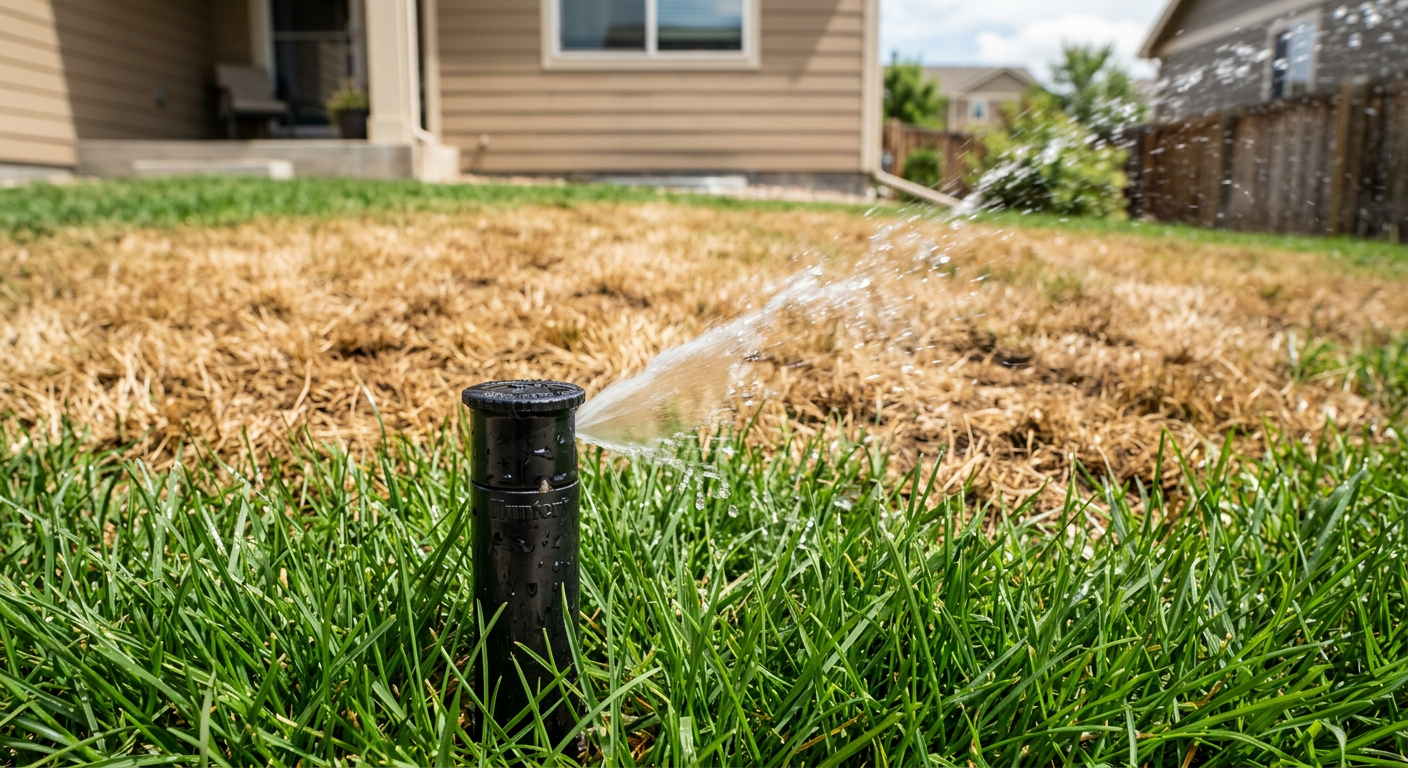
You're doing everything right. You water on schedule, you fertilize regularly, and you've even adjusted your mowing height for Colorado's intense summer sun. Yet every year, those same brown patches appear in your lawn by mid-July, and your water bill keeps climbing. The problem isn't your lawn care routine—it's the irrigation system quietly failing beneath the surface. For homeowners across Boulder, Longmont, and Berthoud, an aging or poorly designed sprinkler system isn't just an inconvenience; it's money literally draining into the ground while your landscape suffers.
The Hidden Cost of an Underperforming Irrigation System
Most homeowners don't think about their irrigation system until something goes visibly wrong—a geyser shooting up from a broken line or a sprinkler head that won't shut off. But the real damage happens gradually. An inefficient system wastes hundreds of gallons of water every month, driving up utility costs without delivering the coverage your landscape needs. In Northern Colorado, where water restrictions are increasingly common and our clay-heavy soil already makes moisture management challenging, an outdated irrigation setup compounds every other problem your yard faces.
The issue is particularly acute in our region because of Colorado's unique climate stressors. Our intense UV exposure, dramatic temperature swings, and freeze-thaw cycles put extraordinary wear on irrigation components. A system that might last 15 years in a milder climate often needs significant upgrades after just 8-10 years here. When you factor in Boulder County's water conservation mandates and the premium we pay for every gallon, continuing to run an inefficient system isn't just wasteful—it's financially irresponsible. The average homeowner with a failing irrigation system pays 30-50% more in water costs while getting worse results than a properly upgraded system would deliver.
Five Warning Signs Your Sprinkler System Is Failing
Recognizing the symptoms of irrigation failure early can save you thousands in landscape replacement costs and wasted water. Here are the telltale signs our team sees most often when we conduct irrigation audits across Boulder County:
Persistent dry or brown patches despite regular watering. If certain areas of your lawn stay brown while others thrive, your system isn't distributing water evenly. This often indicates clogged nozzles, misaligned heads, or zones that were never properly designed for your landscape's mature plant sizes. What worked when your trees were saplings may leave entire sections water-starved now.
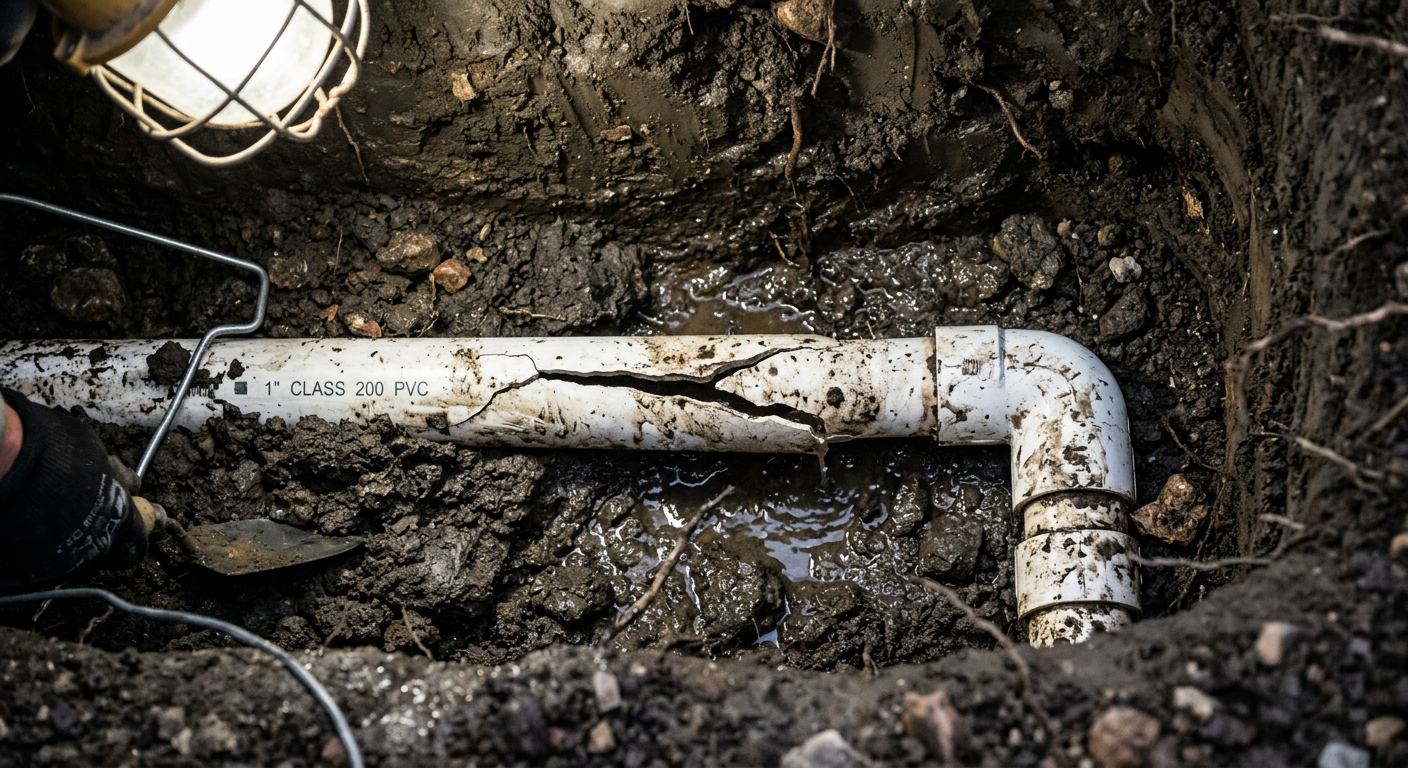
Visible leaks, soggy spots, or unexplained puddles. Colorado's freeze-thaw cycles are brutal on underground pipes and fittings. Even small leaks waste enormous amounts of water—a crack the width of a dime can lose 6,300 gallons per month. If you're seeing consistently wet areas that aren't near sprinkler heads, you likely have underground line damage that's flooding your soil and your water bill.
Sprinkler heads spraying sideways, misting, or showing uneven patterns. Heads wear out over time, and Colorado's mineral-heavy water accelerates clogging. When heads can't pop up fully or their nozzles are partially blocked, they create weak, misting spray patterns that evaporate before reaching plant roots. This is especially problematic during our dry, windy afternoons when evaporation rates soar.
No smart controller or seasonal adjustments. If you're still using a basic timer that runs the same schedule year-round, you're overwatering in spring and fall while likely underwatering during summer heat waves. Modern smart controllers adjust automatically based on weather data, soil moisture, and evapotranspiration rates—critical for Colorado's wildly variable conditions.
Skyrocketing water bills without increased usage. If your consumption has jumped but your household habits haven't changed, your irrigation system is the likely culprit. Even a 10% efficiency loss translates to hundreds of dollars annually for a typical Boulder-area property.
Tune-Up vs. Full Upgrade: Understanding Your Options
Not every irrigation problem requires a complete system overhaul, but it's crucial to understand the difference between maintenance and a genuine upgrade. A standard tune-up addresses immediate mechanical issues: replacing broken heads, adjusting spray patterns, fixing obvious leaks, and programming your controller for the current season. This service typically costs a few hundred dollars and can restore basic functionality to a system that's fundamentally sound. Our team recommends tune-ups at least twice annually—spring startup and fall winterization—as preventive maintenance for any irrigation system.
However, a tune-up can't fix design flaws or aging infrastructure. If your system is more than a decade old, uses outdated spray technology, lacks proper zone separation, or was never designed for your landscape's current mature size, you need an upgrade. A full irrigation upgrade involves redesigning zones for optimal coverage, installing high-efficiency nozzles that reduce water waste by up to 30%, adding smart controllers with weather-based adjustments, converting appropriate areas to drip irrigation, and replacing aging mainlines and valves that are prone to failure.
The investment difference is significant—upgrades typically cost several thousand dollars depending on property size—but so are the returns. Homeowners who upgrade from basic spray systems to modern, zoned irrigation with smart controls typically see water usage drop by 25-40% while achieving better landscape health. In Boulder's water-conscious environment, that efficiency gain pays dividends in both lower utility bills and compliance with increasingly strict watering regulations. More importantly, a properly upgraded system protects the thousands or tens of thousands of dollars you've invested in mature trees, perennials, and ornamental plantings.
Why Colorado's Conditions Accelerate Irrigation System Wear
Northern Colorado presents a uniquely challenging environment for irrigation infrastructure. Our clay-heavy soils expand dramatically when wet and contract when dry, creating constant ground movement that stresses pipes, fittings, and valve boxes. Unlike sandy soils that drain quickly and shift gradually, our clay creates intense pressure on rigid PVC components. Over years of seasonal expansion and contraction, even properly installed systems develop stress fractures and joint separations.
The freeze-thaw cycle compounds this problem exponentially. Boulder experiences an average of 70-90 freeze-thaw cycles per year—far more than most regions. Each cycle forces any residual water in your system to expand as it freezes, then contract as it thaws. This repetitive stress cracks pipes, damages valve diaphragms, and destroys seals. Even with proper winterization, some moisture remains in the system, and that's enough to cause cumulative damage over time. Systems in milder climates might last 20 years before needing major component replacement; in Colorado, 10-12 years is more realistic.
Our intense UV exposure also degrades above-ground components faster than in cloudier regions. Sprinkler heads, valve boxes, and any exposed piping become brittle from sun damage, making them more susceptible to cracking during temperature extremes. When you combine this with our low humidity—which accelerates evaporation and makes watering efficiency even more critical—it becomes clear why irrigation systems designed for other climates simply don't hold up here. Colorado-specific expertise isn't a luxury; it's a necessity for long-term irrigation performance.
The Drip Irrigation Advantage for Colorado Landscapes
While traditional spray systems work reasonably well for turf areas, they're remarkably inefficient for plant beds, trees, and shrubs. Spray irrigation loses 25-50% of water to evaporation and wind drift—losses that are even higher during Colorado's characteristically dry, windy afternoons. This is where drip irrigation becomes transformative, especially for the ornamental beds, foundation plantings, and xeriscape areas that define Boulder-area landscapes.
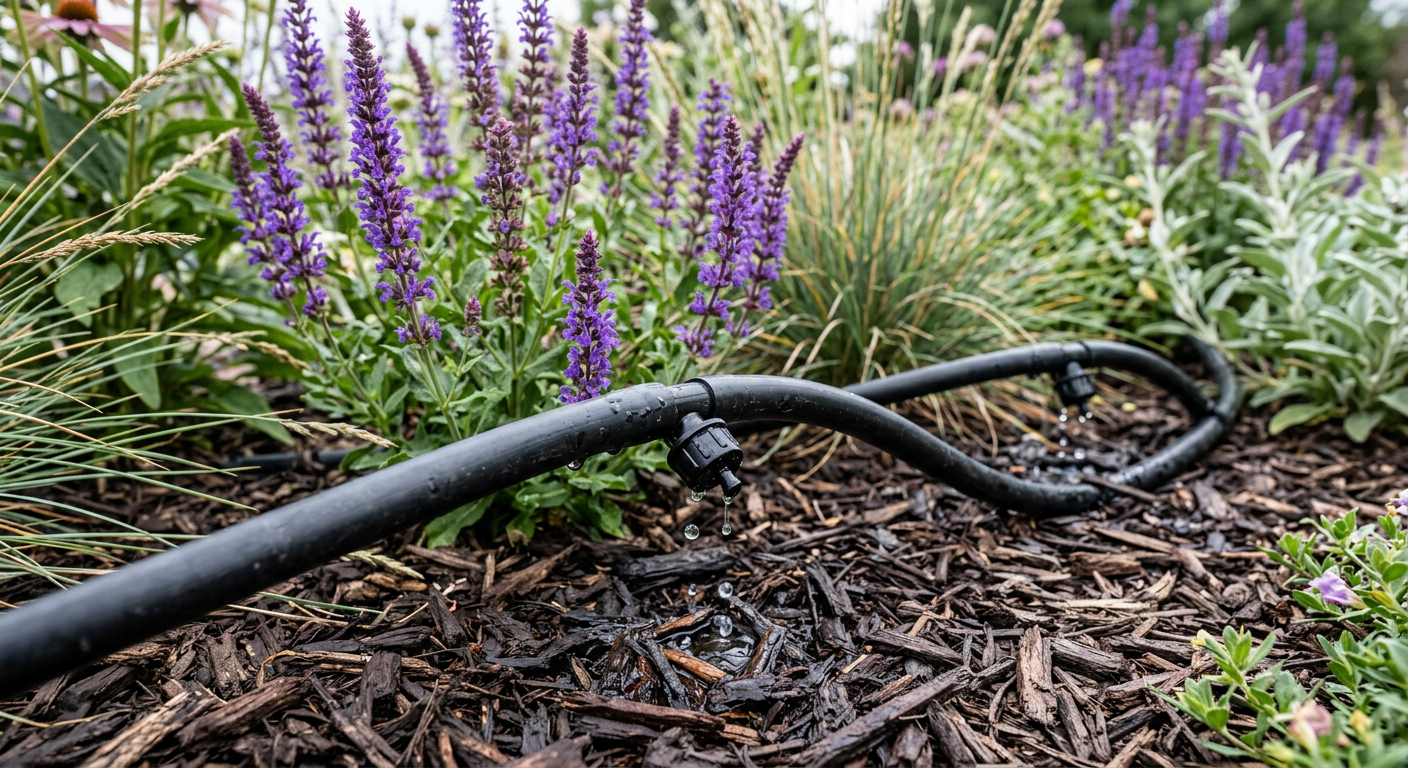
Drip systems deliver water directly to plant root zones through a network of tubing and emitters, eliminating evaporation losses almost entirely. For perennial beds, shrub borders, and tree rings, this targeted delivery means plants get exactly the moisture they need while surrounding areas stay dry—reducing weed pressure and preventing the fungal issues that plague overwatered ornamentals. In our alkaline, clay soils, this precision matters even more because it allows you to create customized moisture zones that accommodate plants with different water needs within the same bed.
The water savings are substantial and measurable. Converting plant beds from spray to drip typically reduces water consumption for those zones by 40-60%. For a typical Boulder property with 800 square feet of ornamental beds, that translates to saving 15,000-25,000 gallons per growing season. Beyond conservation, drip irrigation protects your landscaping investment by maintaining consistent soil moisture—critical for the establishment of native plants and xeriscaping installations that form the backbone of sustainable Colorado landscapes. The system also keeps foliage dry, reducing disease pressure on roses, perennials, and other ornamentals that suffer when spray irrigation constantly wets their leaves.
Modern drip systems integrate seamlessly with smart controllers, allowing you to create separate watering schedules for different plant types. Your drip zones can run longer but less frequently to encourage deep root growth, while turf zones maintain their own optimal schedule. This level of customization simply isn't possible with traditional spray-only systems, making drip conversion one of the highest-value upgrades for Colorado homeowners serious about water efficiency and landscape health.
Get a Free Irrigation Audit from Boulder's Landscape Experts
Your irrigation system should be an asset, not a liability draining your budget and compromising your landscape. At AGT Landscape & Design, we've spent years mastering the specific challenges of Northern Colorado irrigation—from our clay soils and freeze-thaw cycles to local water restrictions and native plant requirements. Our team provides comprehensive irrigation audits that identify exactly where your system is failing and what upgrades will deliver the best return on investment. Call 720-568-0721 or visit us online to get started.


