
Retaining Wall Ideas That Add Privacy, Space & Curb Appeal

May 15, 2026
Alex Tanner
Alex TannerOwner, AGT Landscape & Design8 min read

If you're a homeowner in Boulder, Longmont, or Northern Colorado dealing with a sloped yard, erosion problems, or awkward outdoor spaces that just don't feel usable, you're not alone. Many Colorado properties have challenging terrain that makes it difficult to enjoy your yard fully. The good news? A well-designed retaining wall can solve multiple problems at once. Beyond just holding back soil, retaining walls can create level spaces for patios and gardens, manage drainage issues, add privacy, frame outdoor living areas, and dramatically improve your home's curb appeal. Whether you're looking at your front yard and seeing wasted potential or staring at a backyard slope that limits how you can use your outdoor space, the right retaining wall design can transform your property into something both beautiful and functional.

At AGT Landscape & Design, we help Boulder and Longmont homeowners turn challenging yards into purposeful outdoor spaces through thoughtful landscape design that addresses both practical needs and aesthetic goals. Call 720-568-0721 or visit us online to schedule a free consultation and explore what's possible for your property.

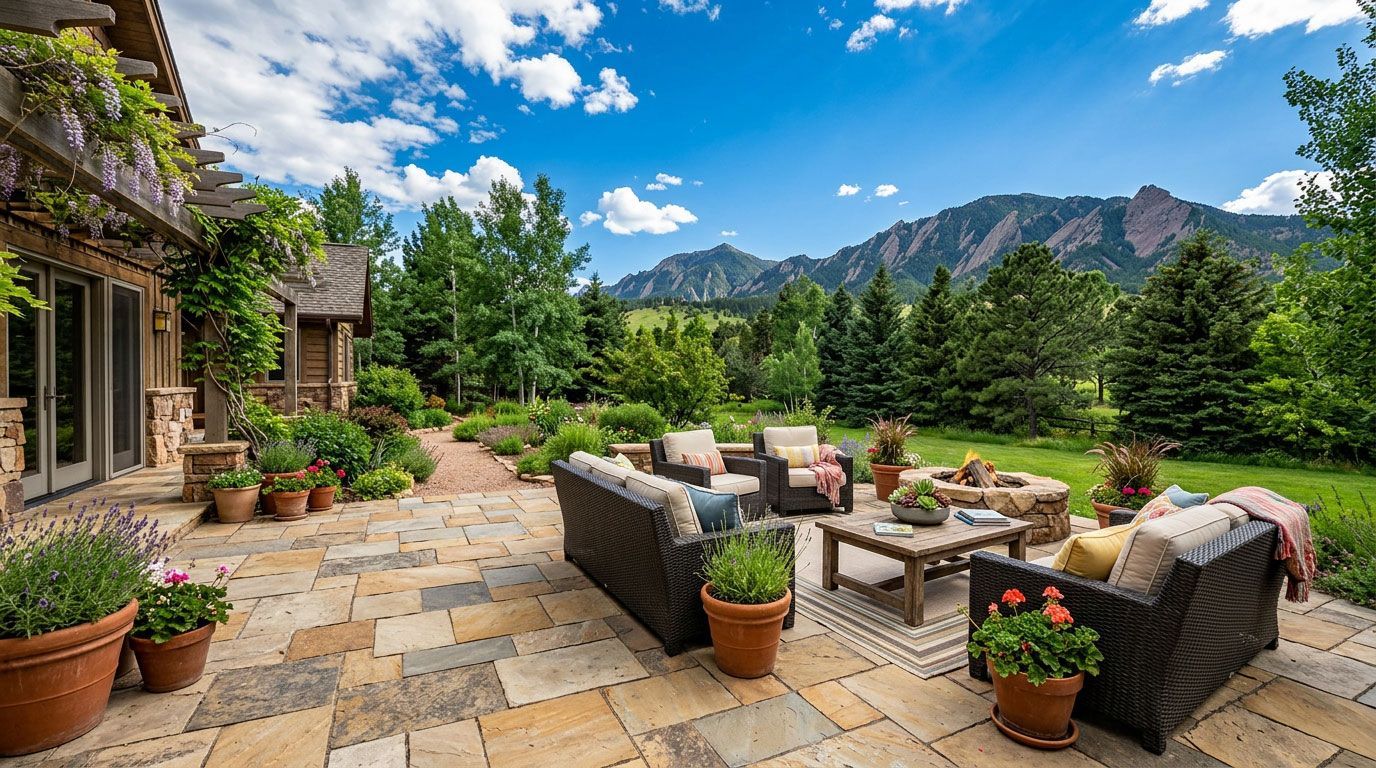
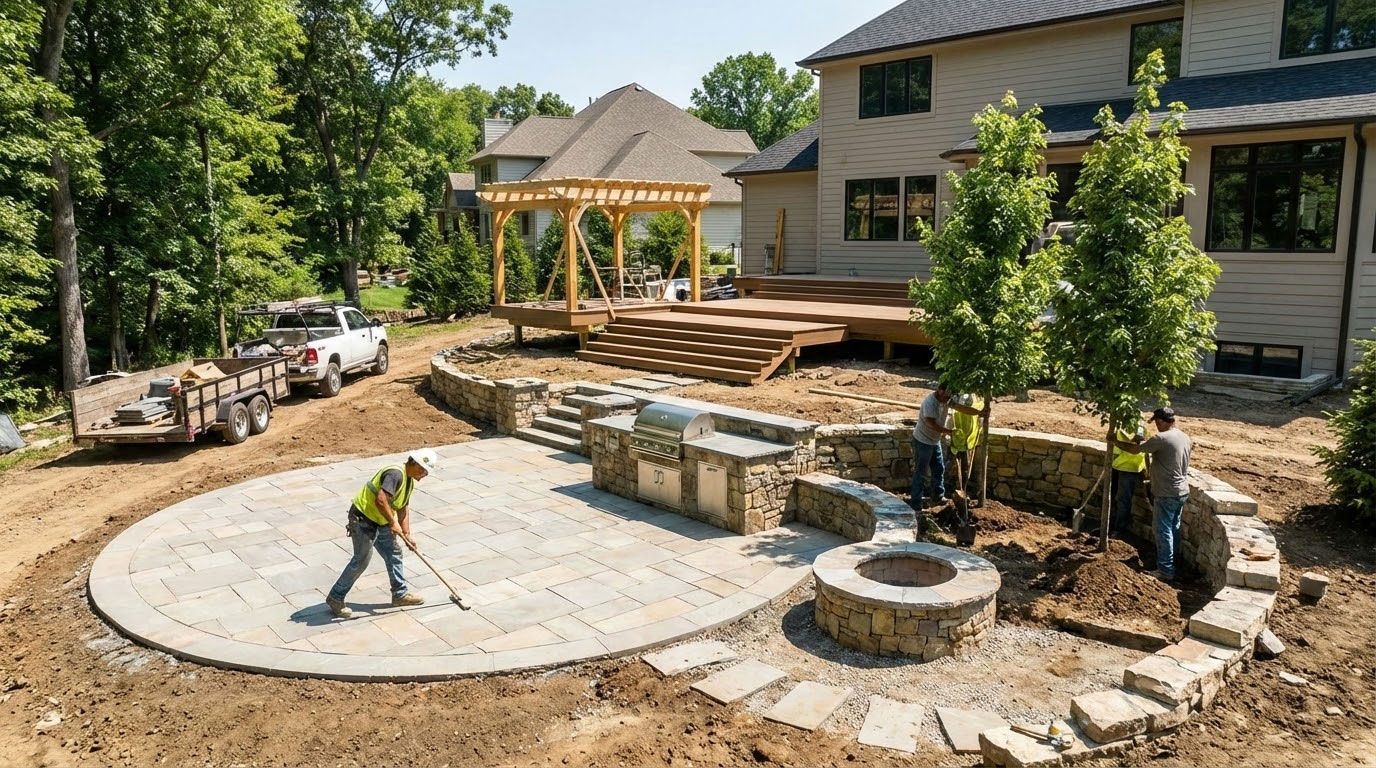
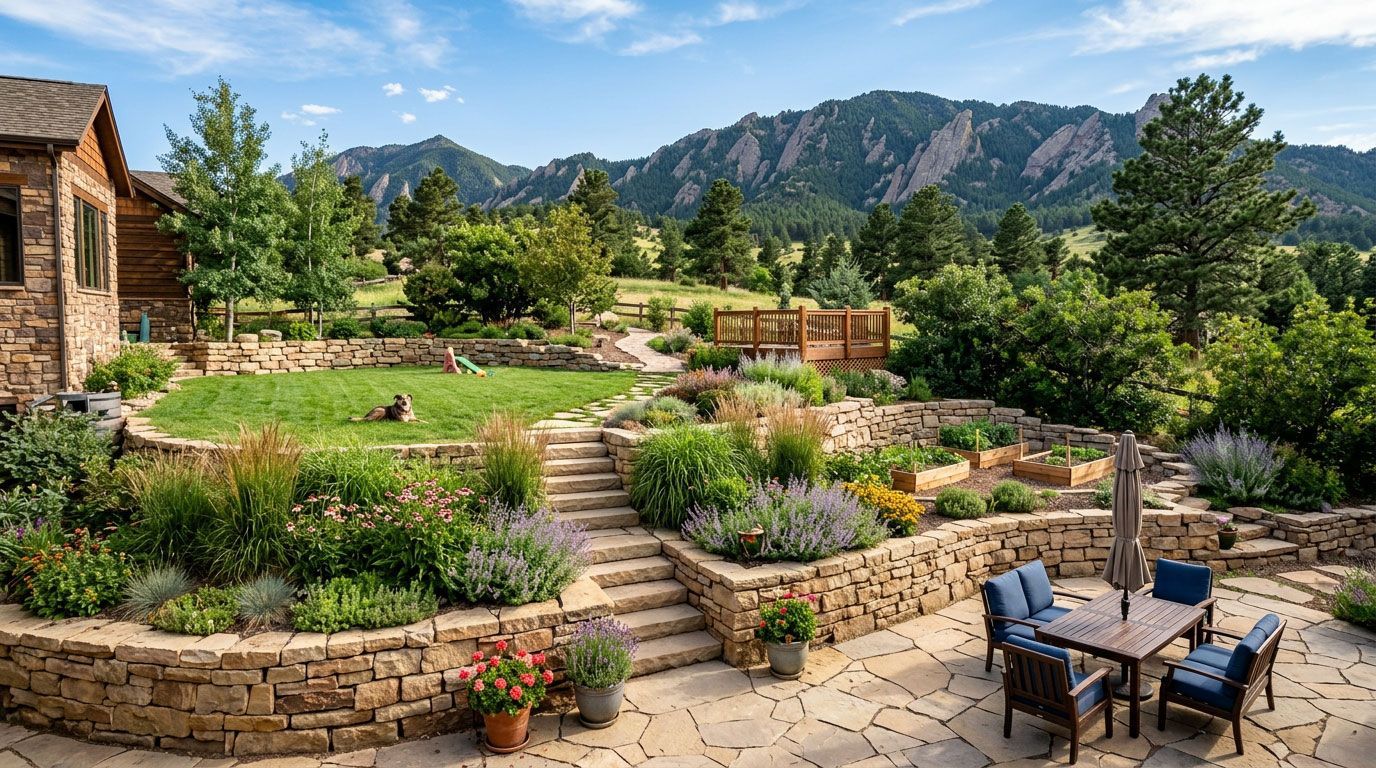
Terraced retaining walls creating multiple usable levels in a Boulder Colorado backyard

Why Retaining Walls Are Essential for Colorado Yards

Colorado's landscape is beautiful, but it presents unique challenges for homeowners. Our region's terrain often includes natural slopes, clay-heavy soils that don't drain well, and intense weather patterns that can cause significant erosion. A retaining wall isn't just a decorative feature—it's a structural solution that addresses these real problems while opening up design possibilities you might not have considered.

Retaining walls work by holding back soil on sloped terrain, creating level areas where none existed before. This makes them invaluable for properties throughout Boulder County, Larimer County, and Weld County where elevation changes are common. Beyond the structural benefits, retaining walls give your landscape definition and purpose. They create visual boundaries that make your yard feel more intentional and complete, turning what might have been an unusable hillside into terraced garden beds, a level patio space, or a defined lawn area. For Colorado homeowners, retaining walls are often the key to unlocking their yard's full potential, allowing you to use outdoor space that was previously too steep, too prone to erosion, or simply too awkward to enjoy.

How Retaining Walls Solve Slope, Erosion, and Drainage Problems

One of the most practical reasons to install retaining walls is to address the trio of problems that plague sloped Colorado yards: unstable slopes, ongoing erosion, and poor drainage. When soil isn't properly supported on a slope, it gradually moves downhill, especially during our spring snowmelt and summer thunderstorms. This erosion not only damages your landscape but can also threaten foundations, driveways, and neighboring properties.

A properly designed retaining wall stabilizes the soil, preventing this erosion and creating a permanent solution to slope instability. But the benefits don't stop there. When our team designs retaining walls for Boulder and Longmont properties, we always incorporate proper drainage solutions. This typically includes gravel backfill, weep holes, and sometimes French drains that direct water away from the wall and your home's foundation. Colorado's clay soils are particularly prone to water retention, which can create hydrostatic pressure behind retaining walls. That's why drainage isn't optional—it's essential for long-term performance.

For homeowners dealing with water pooling in certain areas, runoff washing away mulch and plants, or soggy spots that never seem to dry out, a retaining wall combined with thoughtful grading and drainage solutions can redirect water flow to appropriate areas. This might mean channeling water to a rain garden, directing it away from your foundation, or simply creating a more even distribution of moisture across your landscape. The result is a yard that not only looks better but functions better through every season.

Creating More Usable Outdoor Space With Retaining Walls

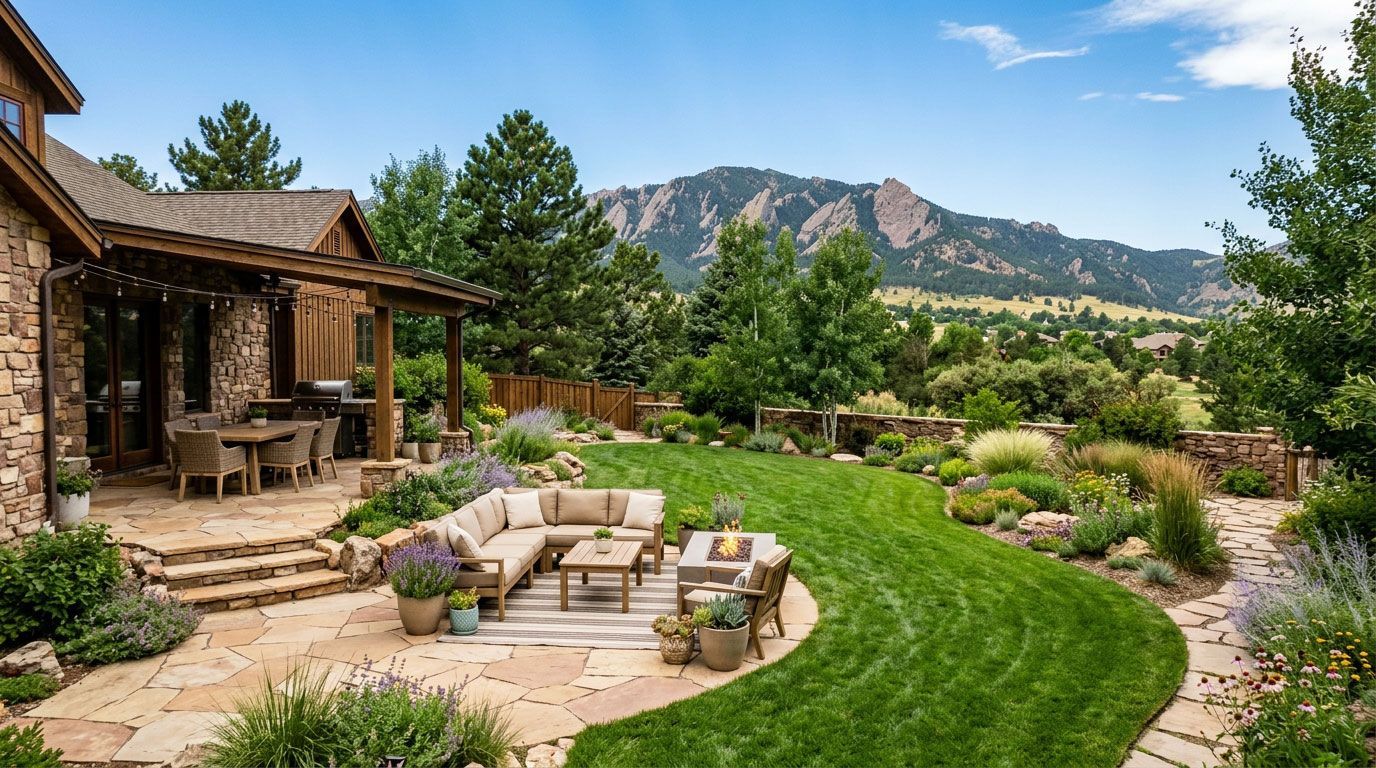
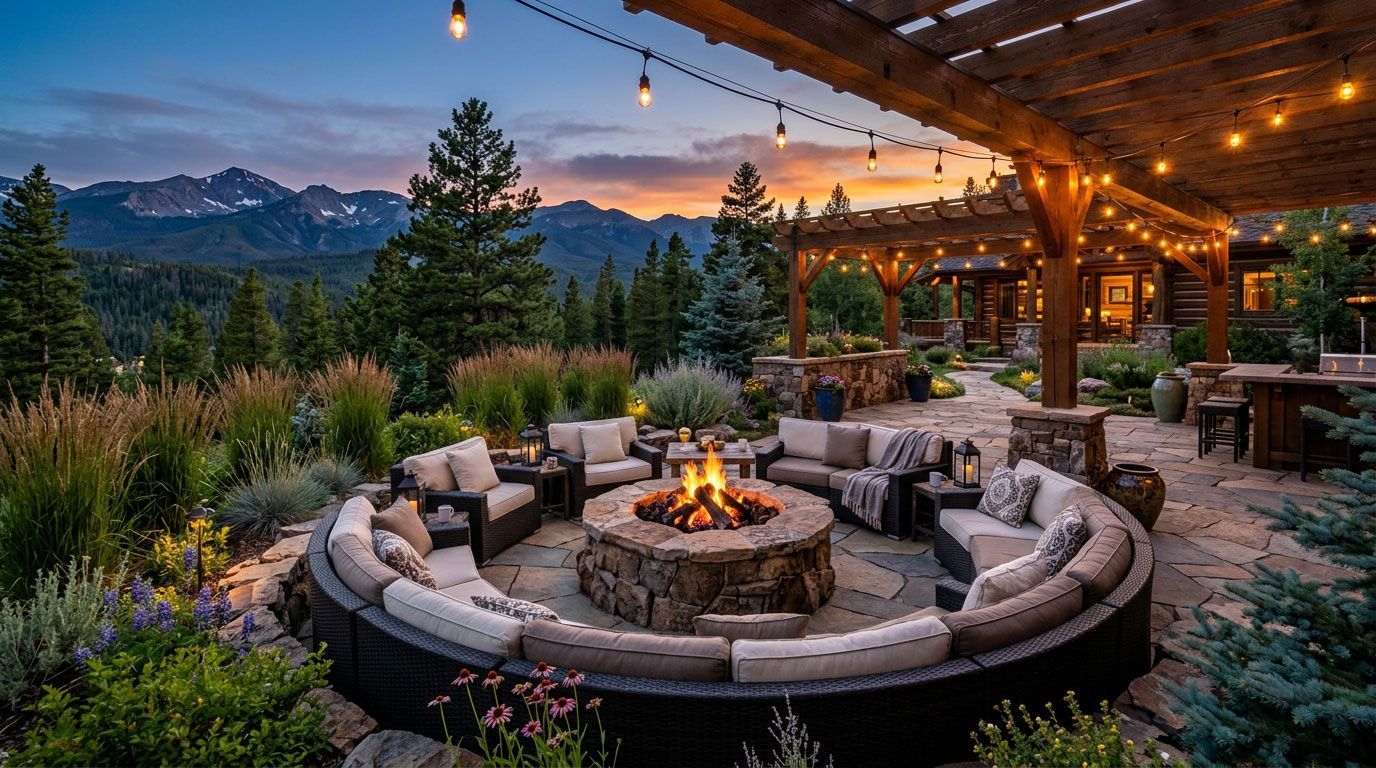
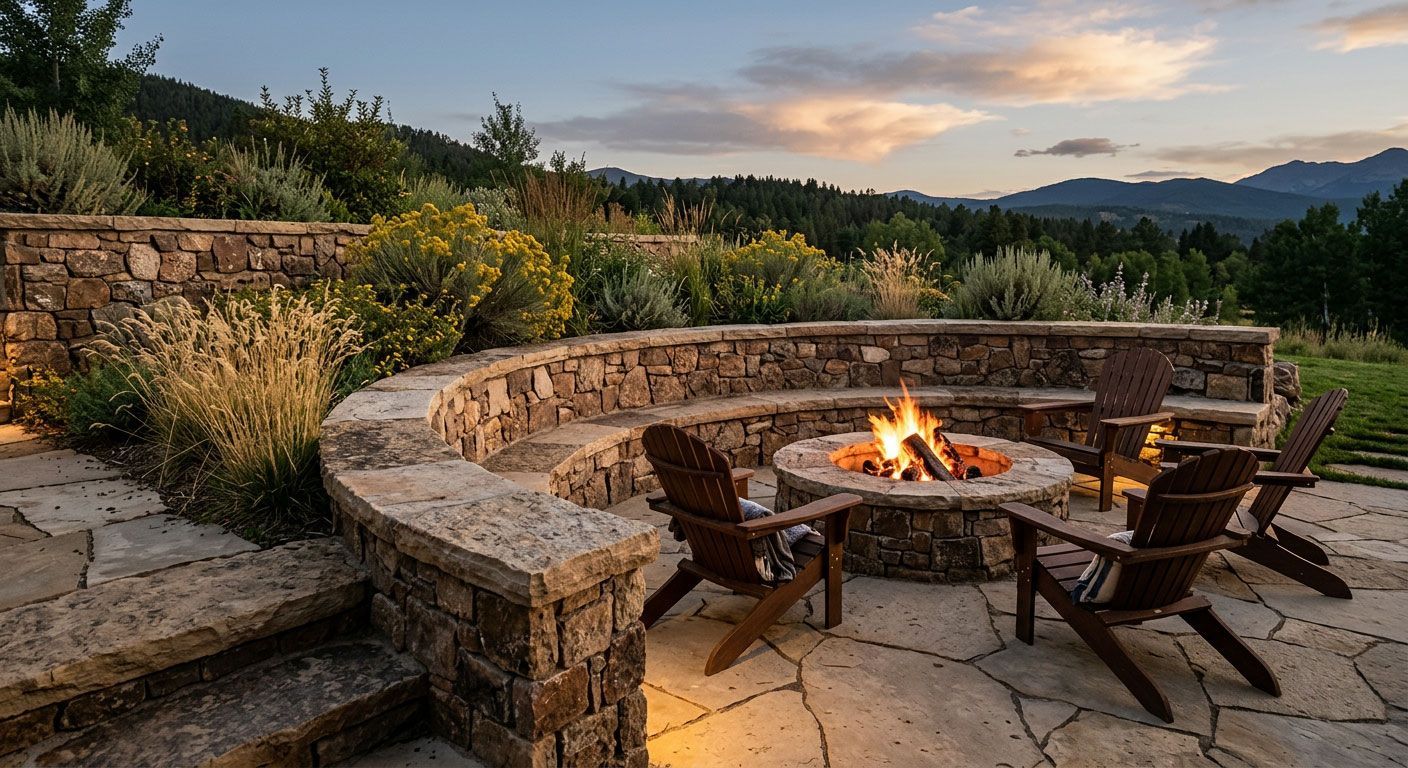
Stone retaining wall with built-in seating around fire pit in Colorado landscape

Perhaps the most exciting benefit of retaining walls is how they create usable space where none existed before. If you've been looking at a sloped backyard and wishing you had room for a patio, play area, or garden, retaining walls can make that happen. By terracing a slope, you can transform a single unusable hillside into multiple level areas, each with its own purpose.

We've worked with countless Northern Colorado homeowners who thought their sloped yards were simply something they had to live with. After installing terraced retaining walls, they suddenly have a level patio for outdoor dining, a flat lawn area where kids can play, and raised garden beds that are easier to maintain. Each terrace becomes its own outdoor room, connected by steps or pathways that make the entire space accessible and inviting.

Retaining walls also support other landscape features beautifully. A low retaining wall can frame a sunken fire pit area, creating an intimate gathering space that feels intentionally designed. Taller walls can back a built-in seating area, providing both structure and comfort. For homeowners who love gardening, raised beds created by retaining walls offer better soil drainage, easier access, and protection from foot traffic. The wall itself becomes a design element—a backdrop for ornamental grasses, a place to install landscape lighting, or a boundary that defines where one outdoor zone ends and another begins. In Colorado's climate, where we want to maximize every bit of usable outdoor space during our beautiful but limited warm-weather months, retaining walls help you get the most from your property.

Supporting Patios, Fire Pits, and Outdoor Living Areas

When you're planning an outdoor living space on sloped terrain, retaining walls become the foundation that makes everything else possible. A patio built into a hillside needs proper support and drainage, which a retaining wall provides. The wall can serve as the back boundary of your patio, creating a sense of enclosure while holding back the slope above. This design approach is particularly effective for creating intimate outdoor dining areas or conversation spaces that feel like natural extensions of your home.

Fire pit areas benefit tremendously from retaining wall integration. The wall can provide built-in seating with capstones wide enough to sit on, eliminating the need for separate chairs and creating a cozy, amphitheater-like setting. We've designed numerous backyard retaining wall ideas for Longmont and Boulder clients that incorporate fire features, with the wall serving both functional and aesthetic purposes—providing seating, defining the space, and creating a beautiful backdrop when the fire is lit on a cool Colorado evening.

Improving Privacy and Defining Outdoor Zones

Retaining walls aren't just about managing slopes—they're powerful tools for creating privacy and defining how your outdoor space is organized. A strategically placed retaining wall can screen a patio from street view, separate your yard from a neighbor's property, or create distinct zones for different activities within your landscape.

In Boulder and Longmont neighborhoods where homes are close together, privacy is often a concern. A retaining wall combined with plantings can create a natural privacy screen that's more attractive and permanent than a fence. By raising a planting bed with a retaining wall, you can position shrubs and ornamental grasses at a height where they effectively block sightlines without requiring years of growth. This is particularly effective for front yard retaining wall ideas where you want curb appeal along with privacy from street traffic.

Retaining walls also help define outdoor zones in ways that feel natural and intentional. A low wall can separate a manicured lawn area from a xeriscape garden, create a boundary between a children's play space and an adult entertaining area, or distinguish a vegetable garden from ornamental plantings. These visual boundaries help your landscape feel organized and purposeful rather than haphazard. For larger properties, multiple retaining walls at different levels can create a terraced effect that adds architectural interest and makes the entire landscape more engaging to experience. Each level becomes its own destination, encouraging you to explore and use different parts of your yard throughout the seasons.

Choosing the Right Materials for Colorado Retaining Walls

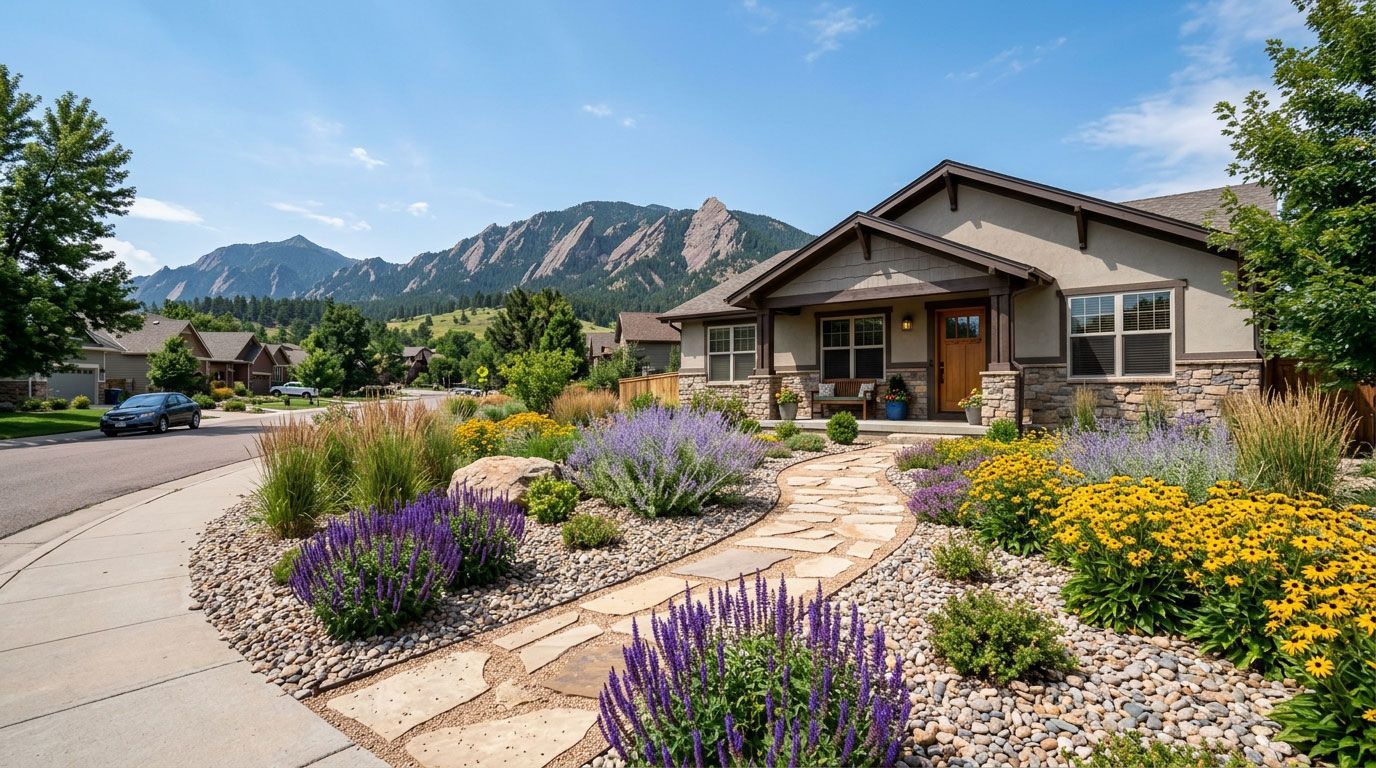
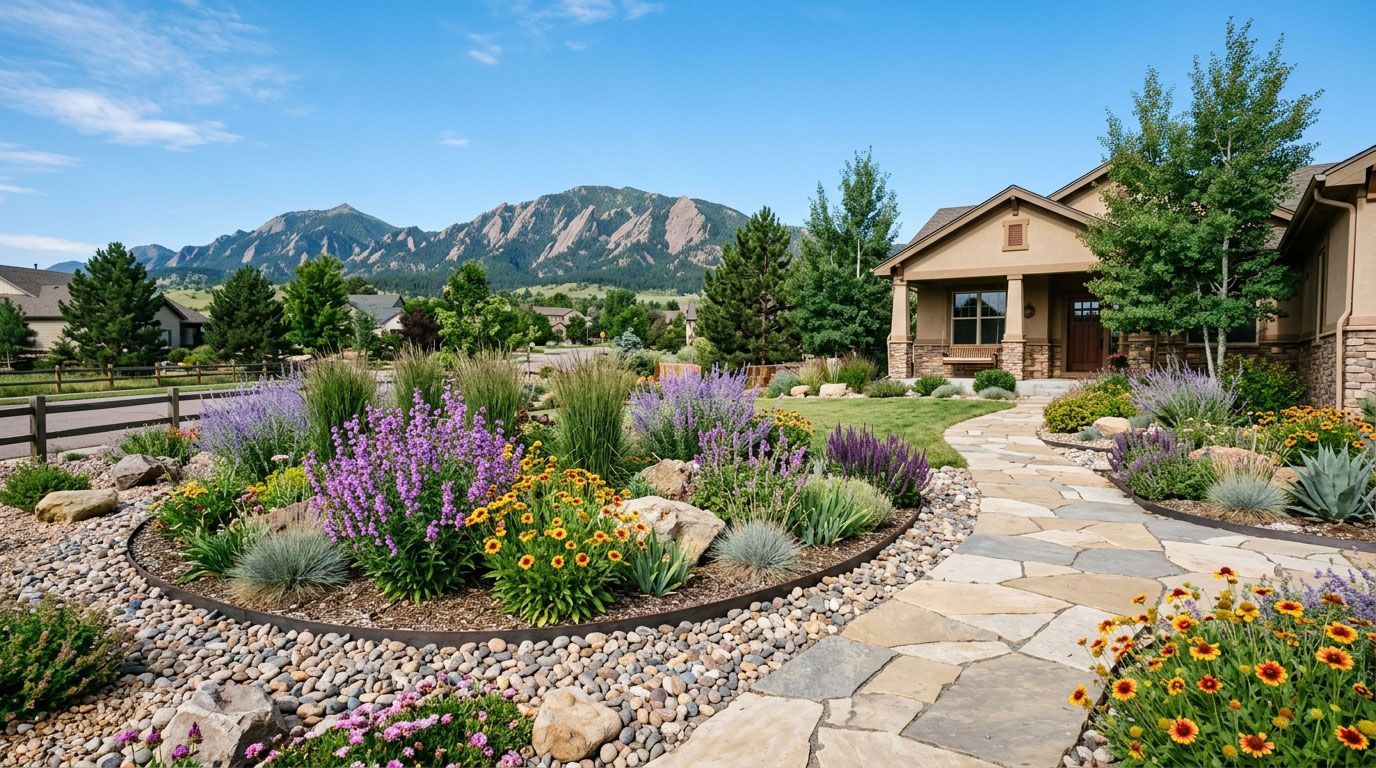
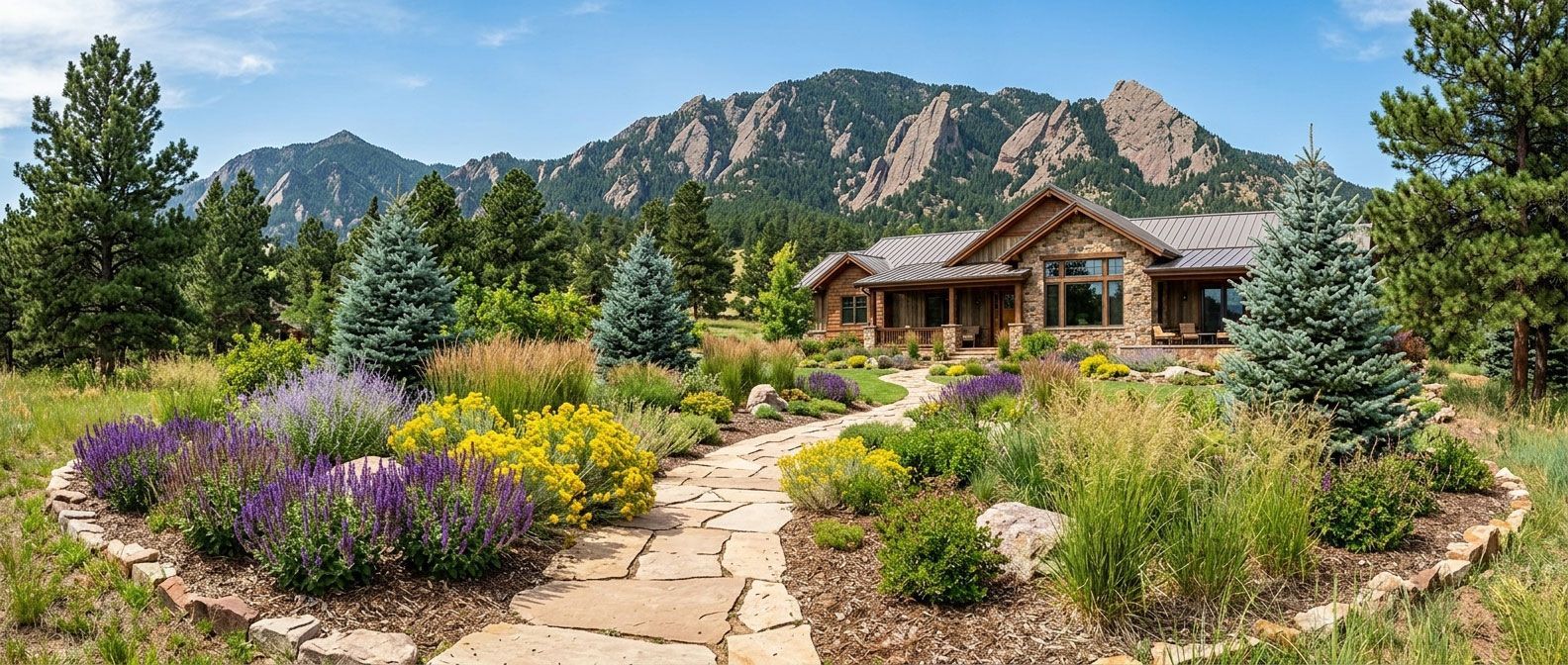
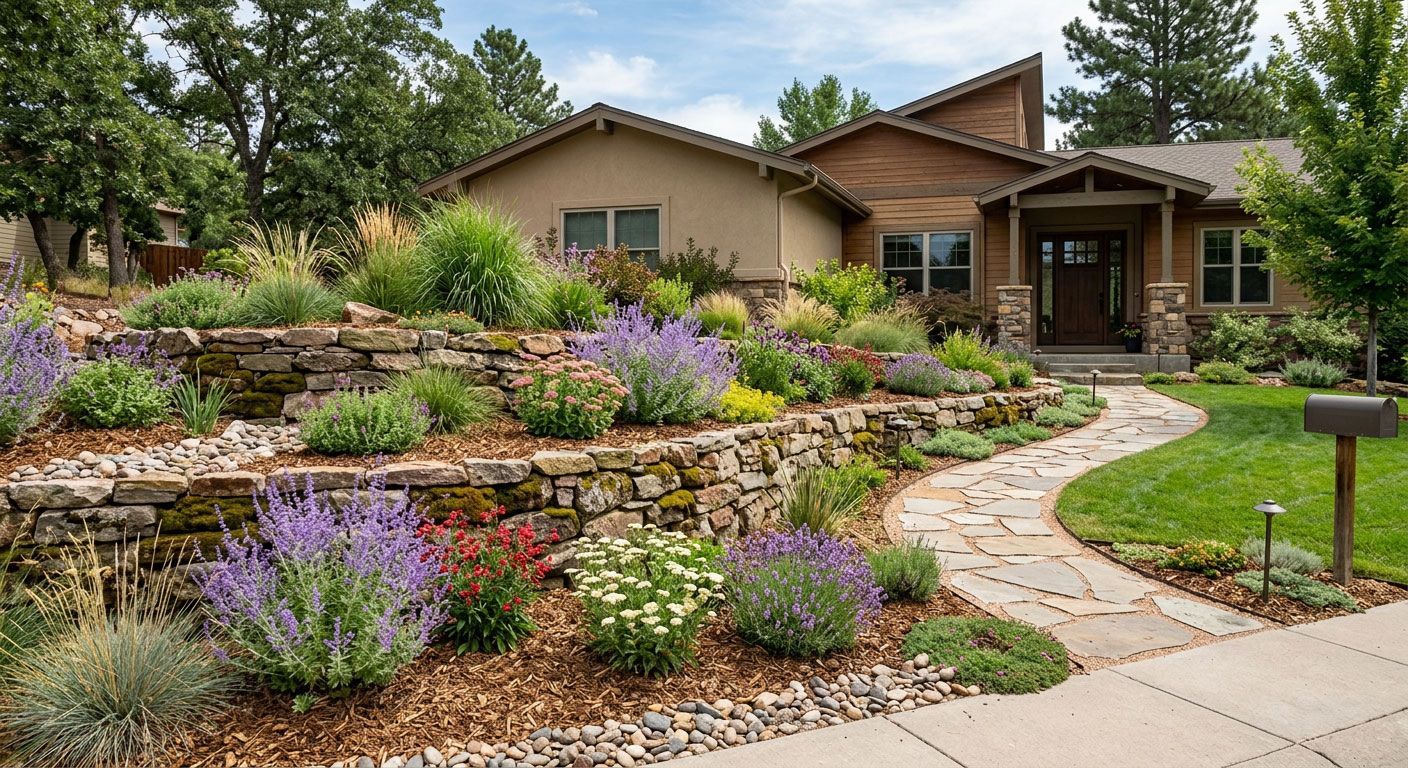
Front yard retaining walls with terraced planting beds and stone walkway in Northern Colorado

The material you choose for your retaining wall significantly impacts both its appearance and its long-term performance in Colorado's climate. At AGT Landscape & Design, we help homeowners select materials that complement their home's architecture, fit their budget, and stand up to our region's freeze-thaw cycles and temperature extremes.

Natural stone is a popular choice for Boulder-area properties because it blends beautifully with Colorado's natural landscape. Flagstone, moss rock, and other native stones create walls that look like they've always been part of the terrain. These walls age gracefully and can be dry-stacked for a rustic appearance or mortared for additional strength. Retaining wall blocks offer a more contemporary look with clean lines and consistent dimensions. Modern block systems come in various colors and textures, some designed to mimic natural stone while providing easier installation and built-in drainage features.

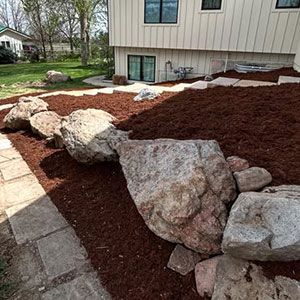
Boulder retaining walls—using large natural boulders—create dramatic, organic-looking structures that work especially well for taller walls or properties with a mountain aesthetic. These installations require specialized equipment and expertise but result in truly unique landscapes that feel connected to Colorado's natural environment. For certain applications, particularly around patios and outdoor living areas, paver-style retaining wall systems offer versatility and the ability to match or coordinate with hardscape elements like walkways and patio surfaces.

The key is choosing materials that serve your specific needs. Taller walls require stronger materials and more substantial foundations. Curved walls may work better with certain block systems. And your home's style—whether mountain contemporary, traditional, or modern—should influence material selection so everything feels cohesive. Our team considers all these factors during the design consultation, ensuring your retaining wall is both beautiful and built to last through Colorado's demanding climate.

Boosting Front Yard Curb Appeal With Retaining Walls

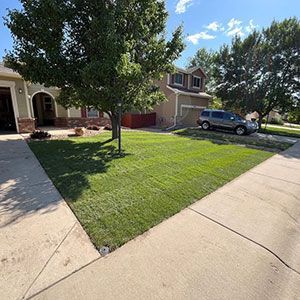
While many homeowners think of retaining walls as backyard features, front yard applications can dramatically improve your home's curb appeal and street presence. A sloped front yard often looks unfinished or difficult to maintain, with grass that's hard to mow and landscaping that struggles on an angle. Retaining walls can transform this challenging space into something that makes your home stand out in the neighborhood.

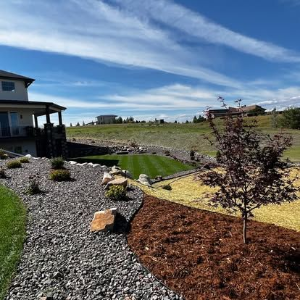
Front yard retaining walls create opportunities for terraced planting beds that add depth and visual interest to your landscape. Instead of a single sloped plane, you can have multiple levels with different plants at each tier—perhaps low-growing groundcovers at the bottom, ornamental grasses at mid-level, and taller shrubs or small trees at the top. This layered approach creates dimension and makes your landscaping look professionally designed and intentional.

Retaining walls also solve practical front yard problems like erosion near driveways, soil washing onto sidewalks, and difficulty establishing healthy plantings on slopes. By creating level planting areas, you give plants better growing conditions while making maintenance much easier. A well-designed front yard retaining wall can frame your home's entrance, create a welcoming pathway to your front door, and establish planting beds that require less water and maintenance than traditional sloped lawns—perfect for Colorado's semi-arid climate and our community's focus on water conservation.

For homes with significant front yard elevation changes, retaining walls can create a grand entrance with steps leading to the front door, flanked by beautiful plantings at multiple levels. This architectural approach adds value to your property while solving functional problems. The key is working with a Boulder landscaping company that understands how to balance aesthetics with structural requirements, ensuring your front yard retaining wall enhances your home's appearance while performing its essential functions.

Common Retaining Wall Mistakes to Avoid

Not all retaining walls are created equal, and mistakes during planning or installation can lead to costly problems down the road. One of the most common errors is inadequate drainage planning. Without proper drainage, water pressure builds up behind the wall, leading to bulging, cracking, or complete failure. This is especially critical in Colorado where freeze-thaw cycles can accelerate damage when water becomes trapped behind walls.

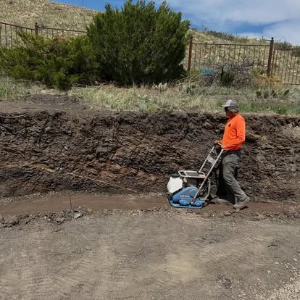
Another frequent mistake is improper foundation preparation. Retaining walls need stable, well-compacted bases to prevent settling and shifting. Skipping this step or cutting corners on base preparation might save time initially but leads to uneven walls, gaps, and structural problems within a few seasons. For walls over a certain height, engineering and permits may be required—attempting to bypass these requirements puts your property at risk and can create liability issues.

Material selection mistakes also cause problems. Choosing materials based solely on appearance without considering structural requirements, climate compatibility, or maintenance needs can result in walls that look good initially but don't perform well over time. Similarly, attempting to install retaining walls without professional expertise often results in walls that aren't properly battered (angled back into the slope), lack appropriate drainage, or don't account for soil conditions and load-bearing requirements.

Working with an experienced Longmont landscaping company that understands retaining wall construction, Colorado soil conditions, and local building requirements helps you avoid these pitfalls. Professional installation ensures your retaining wall will be beautiful, functional, and built to last through decades of Colorado weather.

Why Professional Design and Installation Matter

Retaining walls are both an art and a science. While they need to look good and complement your landscape design, they also have to perform critical structural functions. This is where working with a local landscape design professional makes all the difference. At AGT Landscape & Design, we bring years of experience with Northern Colorado properties, understanding how our region's soils, climate, and terrain affect retaining wall performance.

Our design process starts with understanding your property's specific challenges and your goals for the space. We evaluate slope angles, soil conditions, drainage patterns, and how the retaining wall will integrate with other landscape elements like patios, walkways, irrigation systems, and plantings. Using 3D design renderings, we can show you exactly what your finished landscape will look like, making it easier to visualize the transformation and make informed decisions about materials and design details.

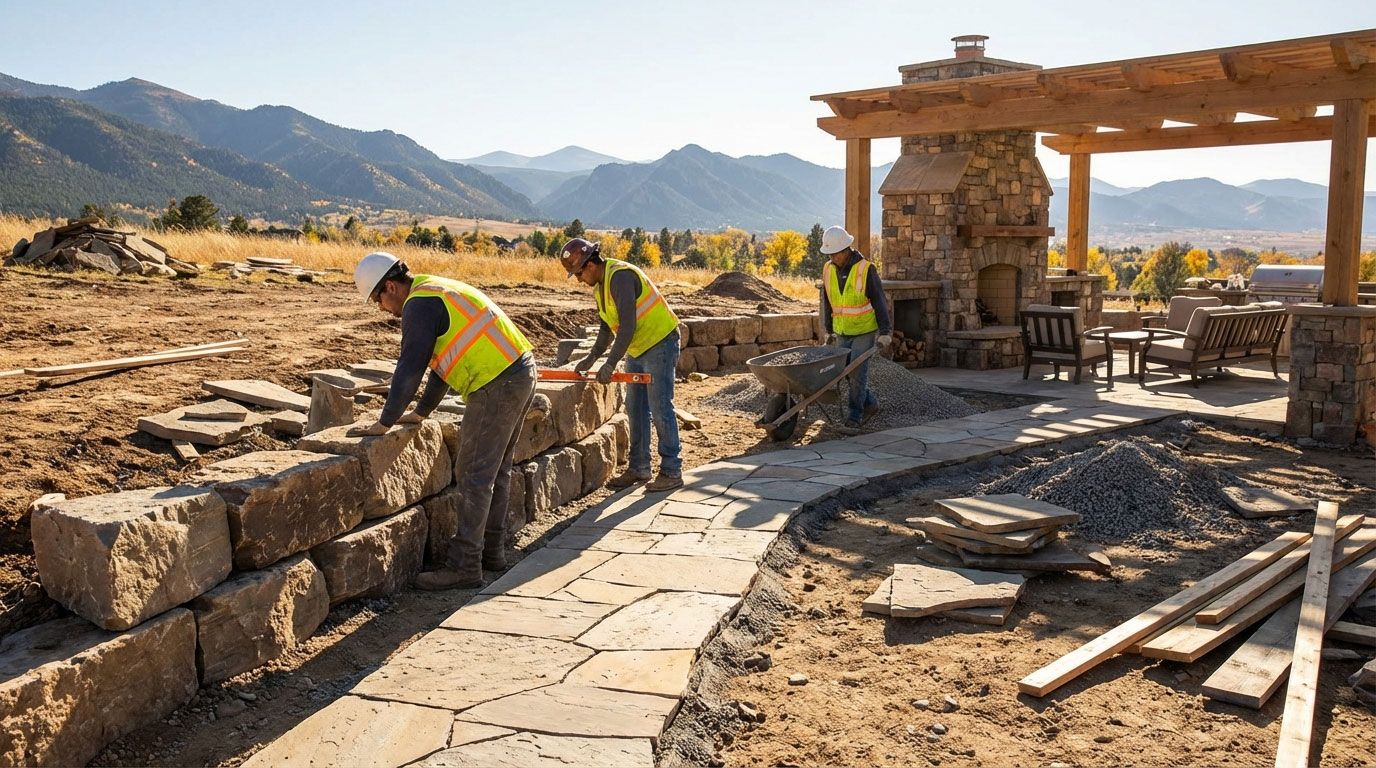
Professional installation ensures proper construction techniques—from excavation and base preparation to drainage installation and final finishing. We handle all aspects of the project, including any necessary grading, coordination with irrigation systems, and integration with other hardscape elements. This comprehensive approach means your retaining wall isn't just an isolated feature but part of a cohesive landscape design that works together as a complete system.

For Boulder, Longmont, Lafayette, Fort Collins, and Loveland homeowners, working with a licensed and insured local company provides peace of mind. We understand local building codes, pull necessary permits, and stand behind our work. Our team's expertise in Colorado retaining wall landscaping means we can anticipate challenges, recommend solutions, and create designs that enhance both the beauty and functionality of your property for years to come.

Frequently Asked Questions About Retaining Walls

How tall can a retaining wall be without engineering? In most Colorado jurisdictions, walls over four feet typically require engineering and permits. However, regulations vary by location, and site-specific conditions may require engineering for shorter walls. We handle all permit and engineering requirements as part of our comprehensive service.

How long do retaining walls last? With proper design, drainage, and installation, retaining walls can last 50 years or more. Lifespan depends on materials, installation quality, and maintenance. Natural stone and quality block systems perform exceptionally well in Colorado's climate when installed correctly.

Can retaining walls be added to existing landscapes? Absolutely. We regularly integrate retaining walls into established landscapes, working around existing trees, irrigation systems, and plantings. Thoughtful planning ensures the new wall enhances rather than disrupts your current landscape.

What maintenance do retaining walls require? Well-built retaining walls require minimal maintenance—typically just occasional cleaning and inspection for any settling or drainage issues. Keeping drainage pathways clear and monitoring for any changes ensures long-term performance.

Transform Your Colorado Yard With Professional Retaining Wall Design

Whether you're dealing with a sloped yard, erosion problems, drainage issues, or simply want to create more usable outdoor space, a professionally designed retaining wall can transform your property. At AGT Landscape & Design, we specialize in creating beautiful, functional landscapes for Boulder, Longmont, and Northern Colorado homes. Our comprehensive approach addresses both the practical and aesthetic aspects of your landscape, ensuring results that enhance your property's value and your enjoyment of outdoor spaces. Call 720-568-0721 or visit us online to schedule your free consultation and discover what's possible for your yard.

Alex Tanner
Written byAlex TannerOwner, AGT Landscape & Design

Alex Tanner is the owner of AGT Landscape & Design, based in Berthoud, Colorado. He founded the company with a passion for transforming outdoor spaces into places where families can relax, entertain, and create lasting memories. With years of hands-on experience across residential landscaping, hardscaping, and outdoor design, Alex approaches every project with skill, creativity, and an unwavering attention to detail. Alex and his team serve homeowners throughout Berthoud, Longmont, Loveland, and the surrounding Northern Colorado communities. His deep knowledge of Colorado's climate, soil conditions, and native plant varieties allows AGT Landscape & Design to deliver outdoor spaces that are both beautiful and built to last through the region's demanding seasons. Under his leadership, AGT Landscape & Design has built a reputation for quality craftsmanship, reliable communication, and a client-first approach that turns each homeowner's vision into a finished landscape they are proud to call their own.

Back to Blog

Stay Up To Date

AGT Landscape & Deign

AGT Landscape & Design

Dispatch

1332 Linden st STE 3d

Longmont, CO

720-568-0721

Billing

6301 W county rd 4

Berthoud 80513