
Patio vs. Deck vs. Pavers: What Works Best for Colorado Backyards?
In This Article
- 1Why Outdoor Living Spaces Are So Popular in Colorado
- 2What to Consider Before Choosing Between a Patio, Deck, or Pavers
- 3The Pros and Cons of Traditional Decks
- 4The Reality of Poured Concrete Patios
- 5Why Paver Patios Are a Strong Choice for Colorado Backyards
- 6Best Features to Pair with Your Patio
- 7How a Well-Designed Patio Improves Your Home's Value
- 8Common Mistakes Homeowners Make When Planning a Patio
- 9Why Working with a Local Landscape Designer Matters
- 10Frequently Asked Questions
- 11Ready to Create Your Ideal Colorado Backyard?
If you're ready to transform your backyard into a space where you actually want to spend time, you've probably asked yourself: should I build a deck, pour a concrete patio, or install pavers? It's one of the most common questions we hear from homeowners in Boulder, Longmont, and throughout Northern Colorado. Each option has its strengths, but not every surface handles Colorado's freeze-thaw cycles, intense sun exposure, and unpredictable weather the same way. Choosing the wrong material can mean dealing with cracks, warping, drainage issues, or costly repairs down the road. The good news? Once you understand how each option performs in our climate and what works best for your lifestyle, the decision becomes much clearer.
At AGT Landscape & Design, we help homeowners throughout Boulder County, Larimer County, and Weld County design and build outdoor living spaces that look beautiful, function well, and stand up to Colorado conditions year after year. Whether you're starting from scratch or replacing an outdated surface, we'll walk you through the pros and cons so you can make the best choice for your home. Call 720-568-0721 or visit us online to schedule a free consultation and see what's possible for your backyard.
Why Outdoor Living Spaces Are So Popular in Colorado
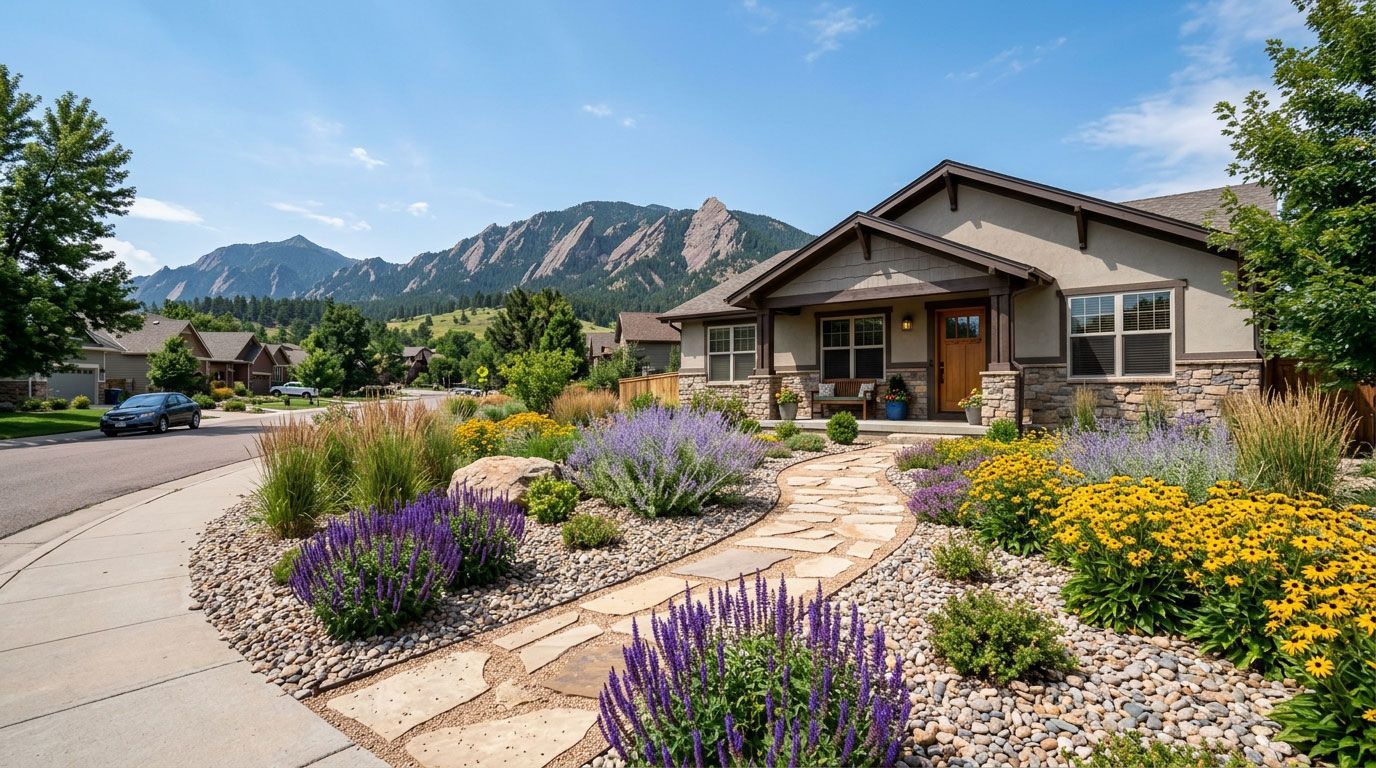
Colorado homeowners love spending time outside, and it's easy to see why. With over 300 days of sunshine each year and a culture that values outdoor recreation, a well-designed patio or deck isn't just a luxury—it's an extension of your living space. Whether you're hosting summer barbecues, enjoying morning coffee with mountain views, or gathering around a fire pit on cool evenings, a functional outdoor area adds real value to your daily life. It also makes your home more attractive to future buyers if you ever decide to sell.
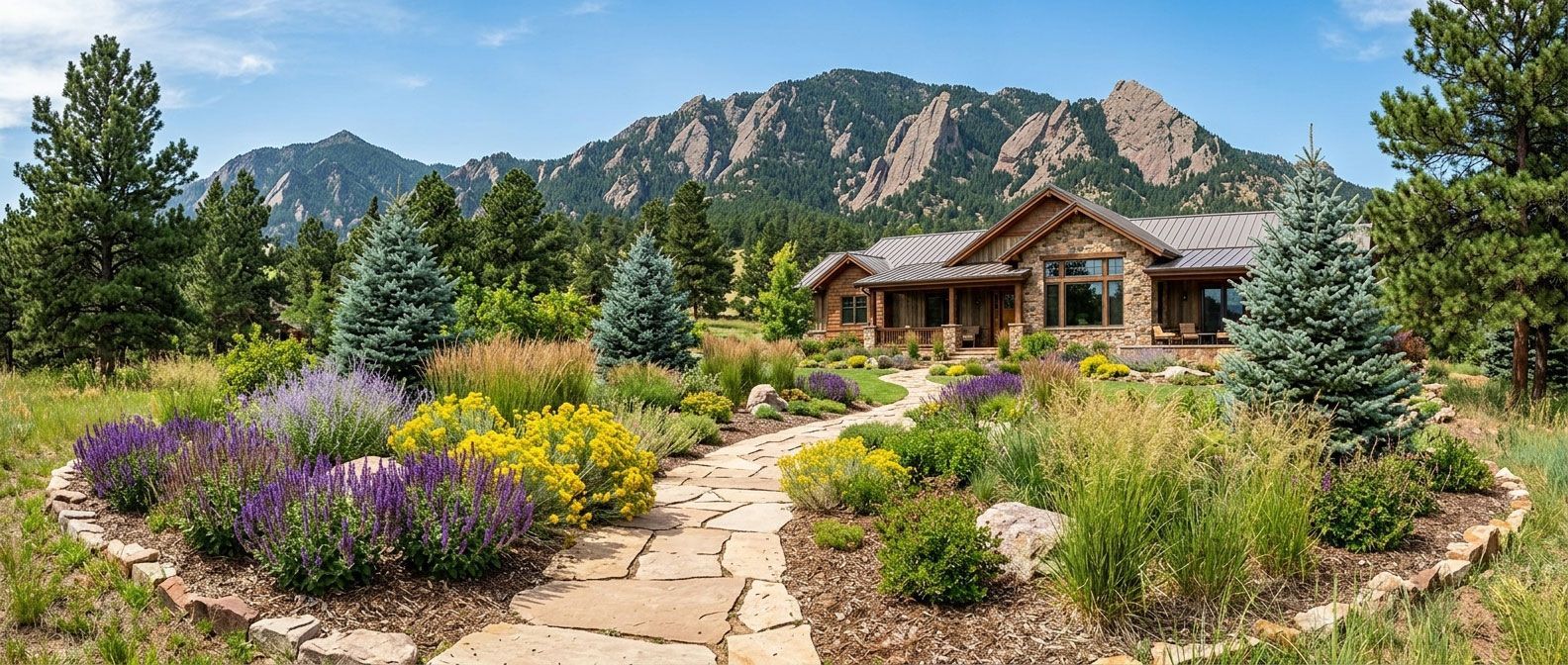
In Boulder, Longmont, and surrounding areas, homeowners are investing in outdoor spaces that work as hard as they do. That means surfaces that can handle foot traffic, weather extremes, and changing seasons without constant maintenance. It also means designing spaces that feel intentional—not just a slab of concrete or a basic deck, but a thoughtfully planned area with seating, lighting, plants, and features that make you want to be outside. The right foundation for that space starts with choosing the best surface material for Colorado's unique climate.
What to Consider Before Choosing Between a Patio, Deck, or Pavers
Before you commit to any material, it's important to think about how you'll actually use the space and what your property needs. Start by asking yourself a few key questions. Do you want a low-maintenance surface or are you willing to stain and seal regularly? How does water drain in your yard after a storm? Is your backyard flat or sloped? Do you have existing trees, gardens, or structures that affect your layout? And perhaps most importantly, what's your budget—not just for installation, but for long-term upkeep?
Colorado's climate adds another layer of complexity. Our freeze-thaw cycles can cause concrete to crack and wood to expand and contract. Intense UV exposure fades and degrades materials faster than in other climates. Soil movement, especially in areas with clay-heavy ground, can shift surfaces over time. A material that works beautifully in a milder climate might not hold up here. That's why it's essential to choose a surface designed to handle these conditions. Working with a local landscape designer who understands Boulder and Northern Colorado's specific challenges makes a huge difference in getting a result that lasts.
The Pros and Cons of Traditional Decks

Wood and composite decks have been a backyard staple for decades, and they're still a solid choice in many situations—especially if you have a sloped yard or want an elevated outdoor space. Decks can be built at different heights, which makes them ideal for homes with walkout basements or uneven terrain. They also offer a warm, natural look that many homeowners love. Composite materials have improved significantly in recent years, offering better durability and less maintenance than traditional wood.
However, decks do come with some downsides, particularly in Colorado. Wood decks require regular staining, sealing, and inspection for rot, warping, or insect damage. Even composite decks can fade under our intense sun and may become uncomfortably hot to walk on barefoot during summer afternoons. Decks also don't solve drainage issues—water still flows underneath, which can create problems if your yard doesn't drain well. And while composite materials reduce maintenance, they're often more expensive upfront than other options. If you're looking for a low-maintenance, long-lasting surface that stays cool underfoot and integrates well with landscaping, a deck might not be your best bet.
The Reality of Poured Concrete Patios
Poured concrete patios are one of the most affordable options upfront, and they can be finished in various ways—brushed, stamped, or stained to mimic other materials. Concrete is durable and can handle heavy furniture and foot traffic without issue. For homeowners on a tight budget who need a functional outdoor surface quickly, concrete can seem like the obvious choice.
The challenge with concrete in Colorado is how it responds to our freeze-thaw cycles. When water seeps into small cracks and freezes, it expands, causing those cracks to widen over time. Even with proper installation and control joints, concrete patios in Boulder and Northern Colorado often develop visible cracks within a few years. Once cracks appear, they're difficult and expensive to repair in a way that looks seamless. Concrete also absorbs and radiates heat, making it hot to the touch on sunny days. And because it's a solid surface, any settling or soil movement can cause large sections to shift or crack. If you're looking for a surface that will stay beautiful and intact for decades with minimal maintenance, concrete may not deliver the long-term performance you're hoping for.
Why Paver Patios Are a Strong Choice for Colorado Backyards

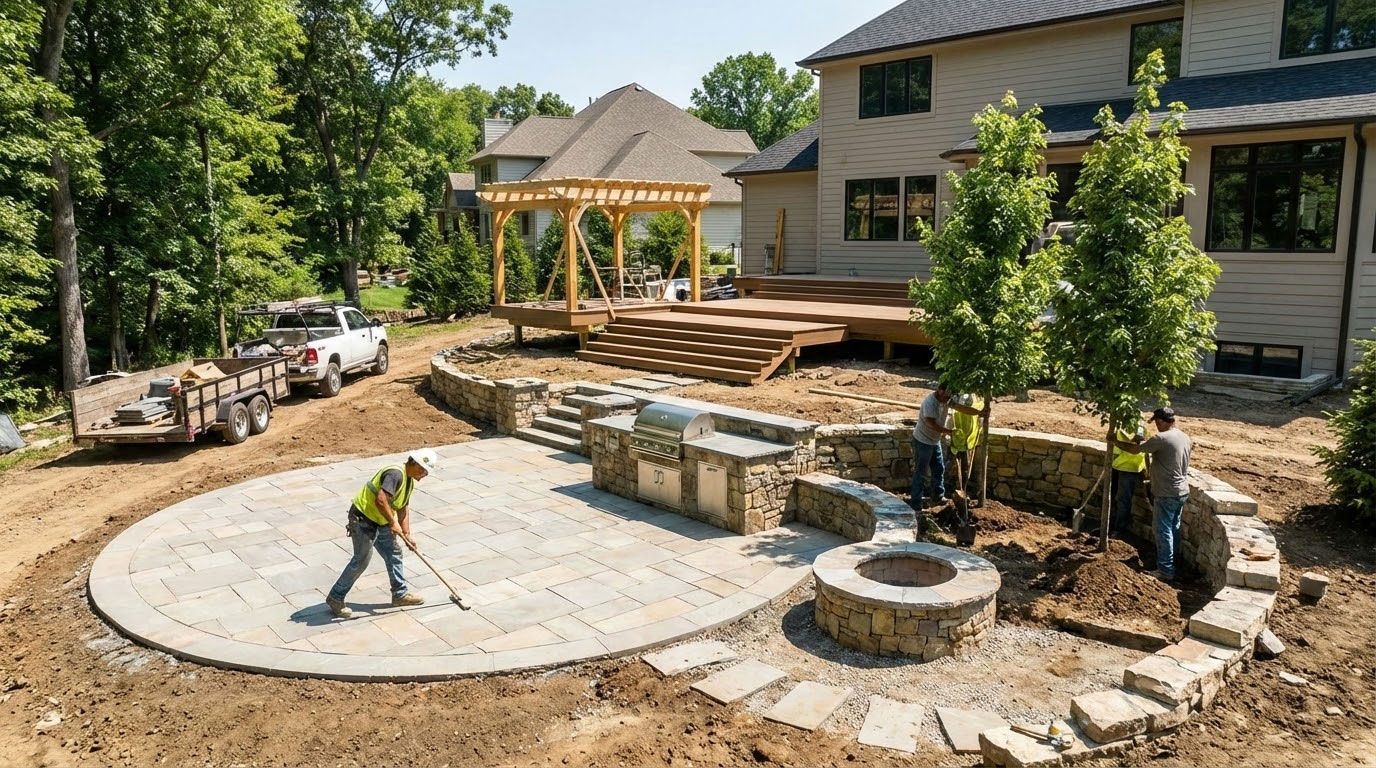
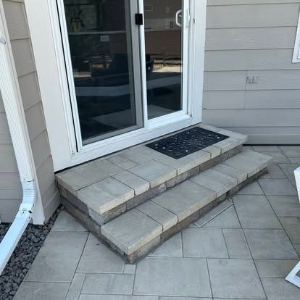
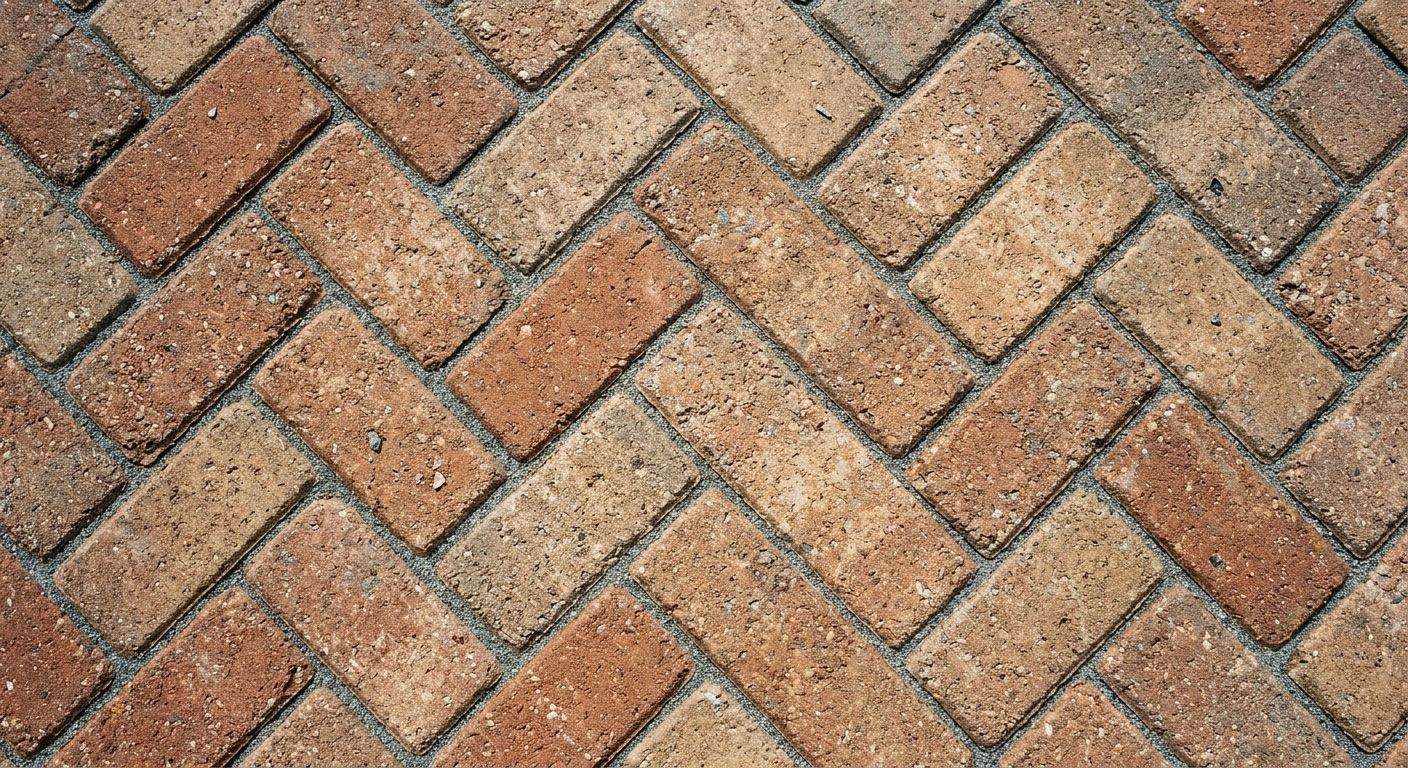
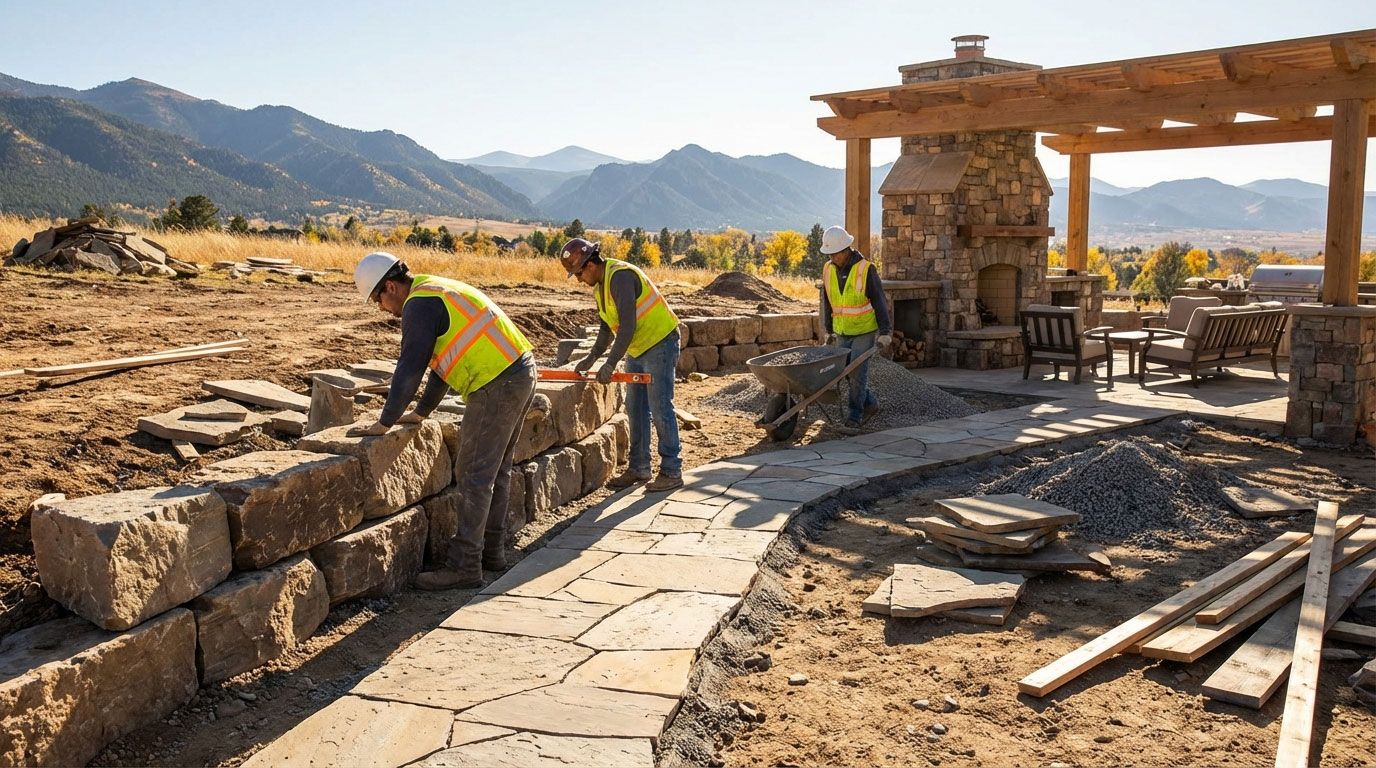
Paver patios have become increasingly popular in Boulder, Longmont, and throughout Northern Colorado—and for good reason. Pavers are individual units made from concrete, natural stone, or brick that are installed over a carefully prepared base of gravel and sand. This flexible system allows the surface to move slightly with freeze-thaw cycles and soil shifts without cracking. If a paver does get damaged, you can replace just that one piece instead of tearing out an entire section.
Pavers also offer design flexibility that other surfaces can't match. You can choose from dozens of colors, shapes, and patterns to create a custom look that complements your home's architecture and landscape. They stay cooler than concrete or composite decking, making them more comfortable for bare feet. And because water drains between the joints, paver patios handle drainage better than solid surfaces—an important consideration in areas prone to heavy rain or snowmelt. When installed correctly with proper base preparation and edge restraint, a paver patio can last 25 years or more with minimal maintenance. For homeowners who want durability, beauty, and long-term value, pavers are often the best investment for a Colorado backyard.
How Colorado Weather Affects Outdoor Surfaces
Understanding how our climate impacts different materials is key to making a smart choice. Freeze-thaw cycles are the biggest challenge—when temperatures swing above and below freezing, moisture trapped in or under a surface expands and contracts, causing damage over time. Pavers handle this well because they're designed to flex slightly. Concrete and wood are more vulnerable. UV exposure is another factor. Colorado's high altitude means stronger sun, which fades stains, degrades sealants, and can make some surfaces uncomfortably hot. Drainage is also critical. Poor drainage can undermine any surface, causing settling, pooling water, or even erosion. A well-designed patio installation in Boulder CO or Longmont CO starts with proper grading, a solid base, and materials chosen specifically for our climate.
Best Features to Pair with Your Patio
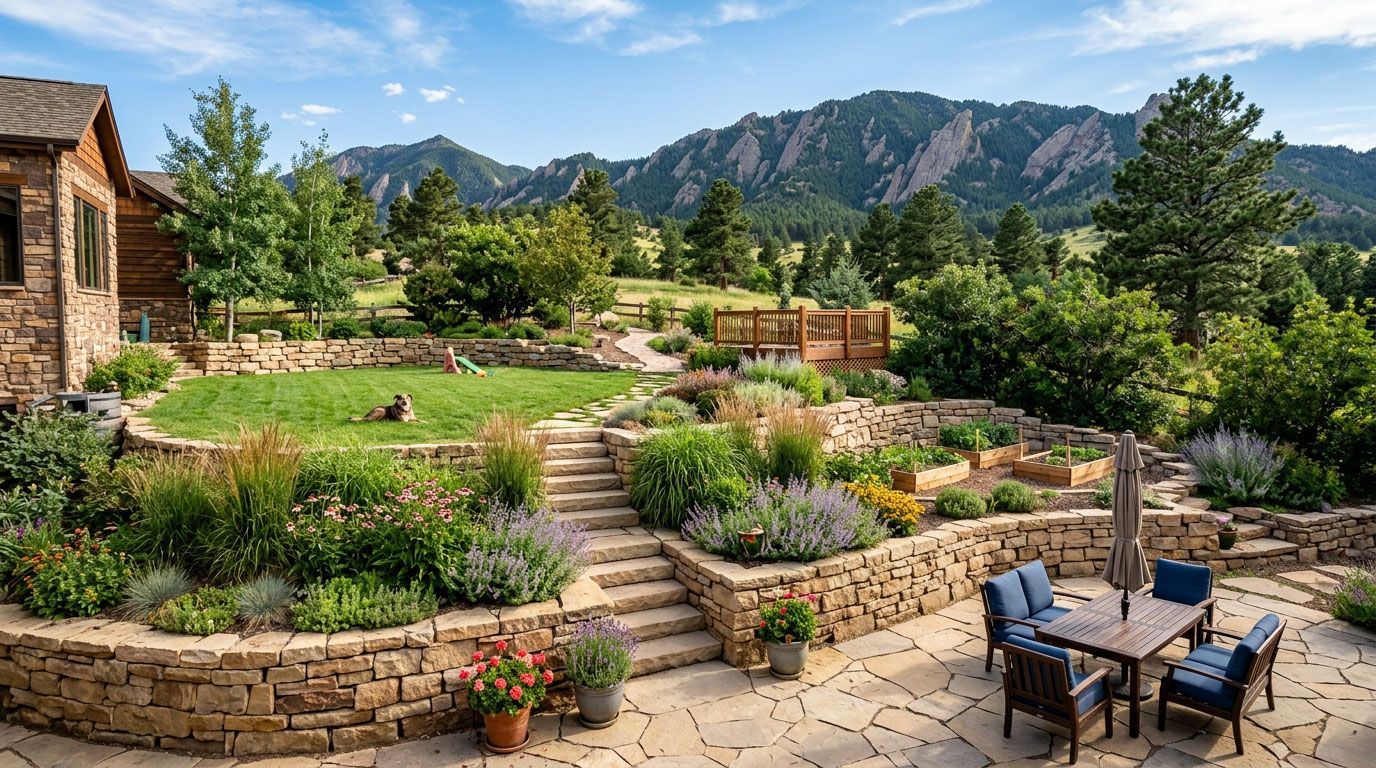
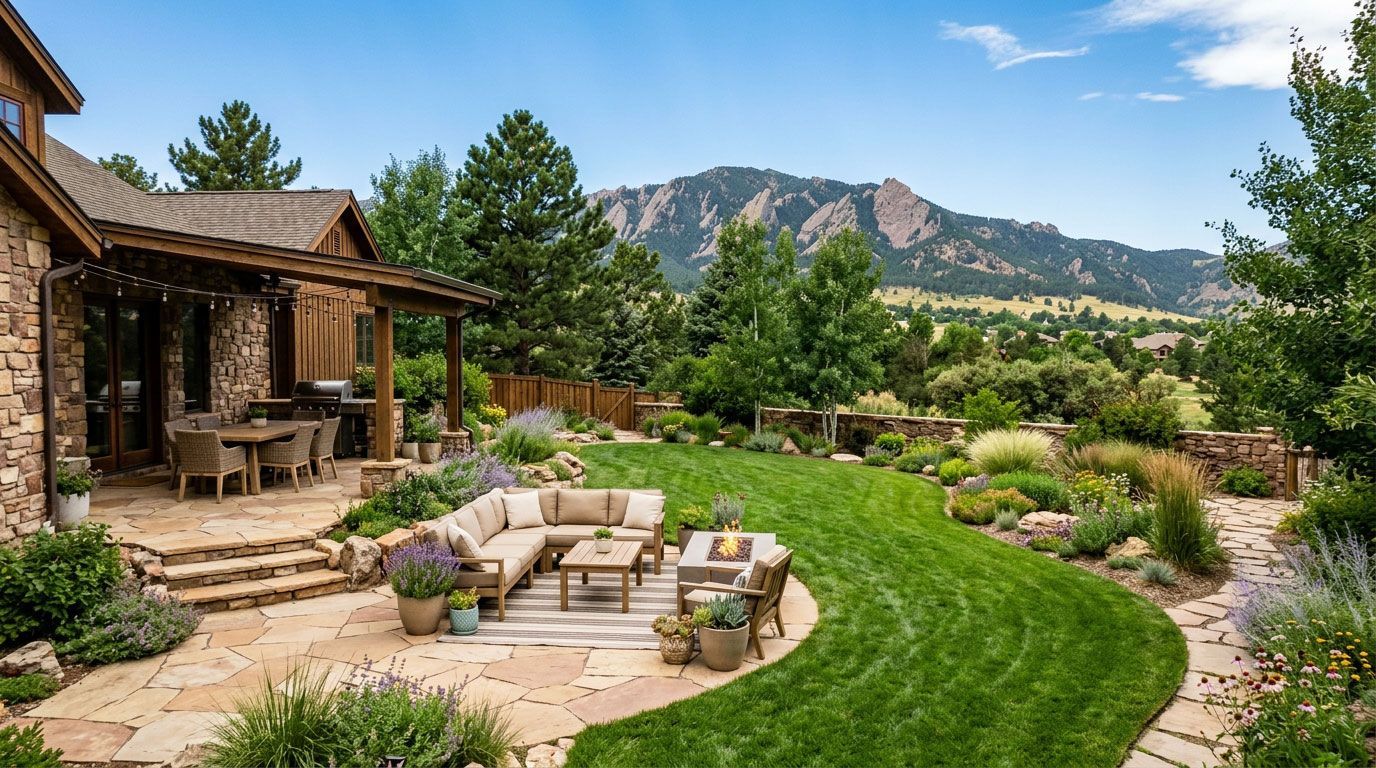
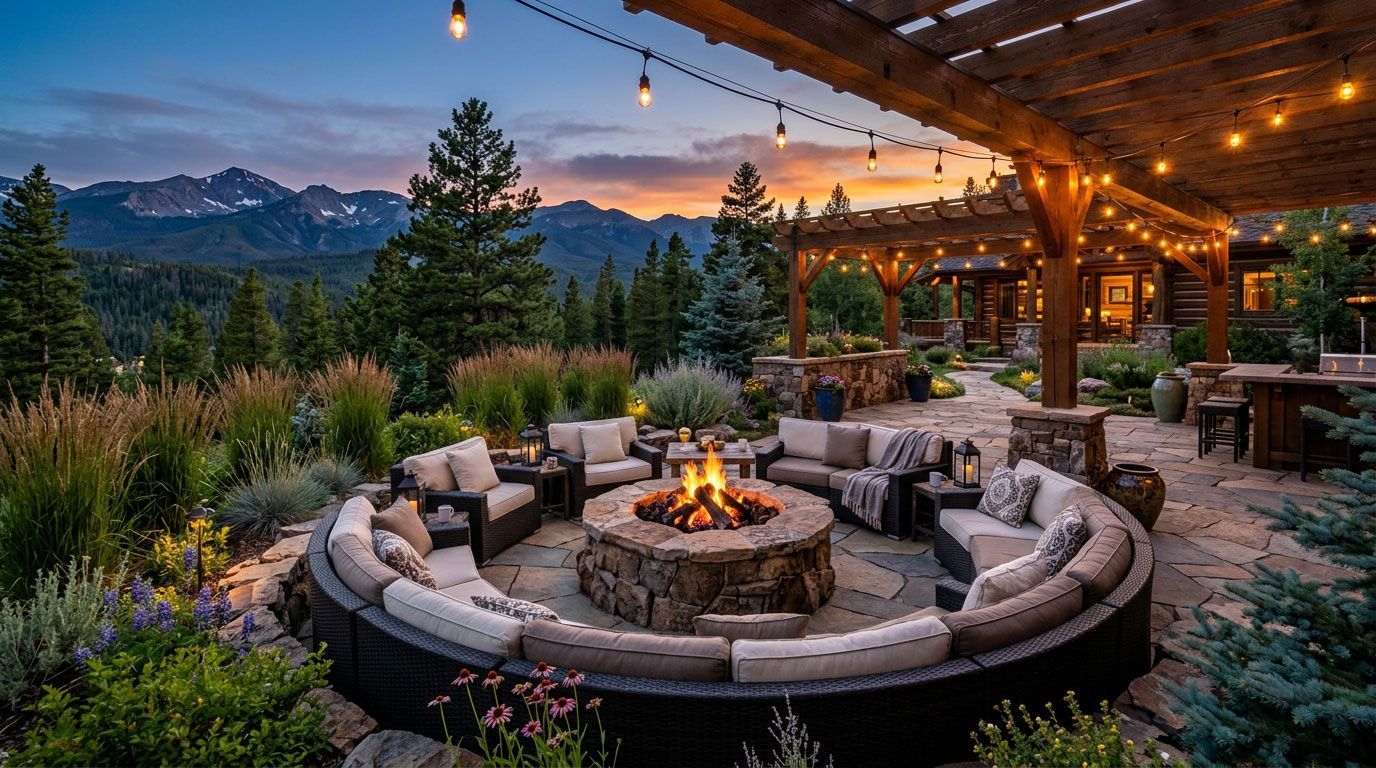
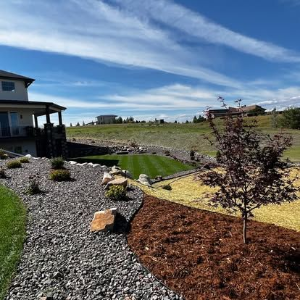
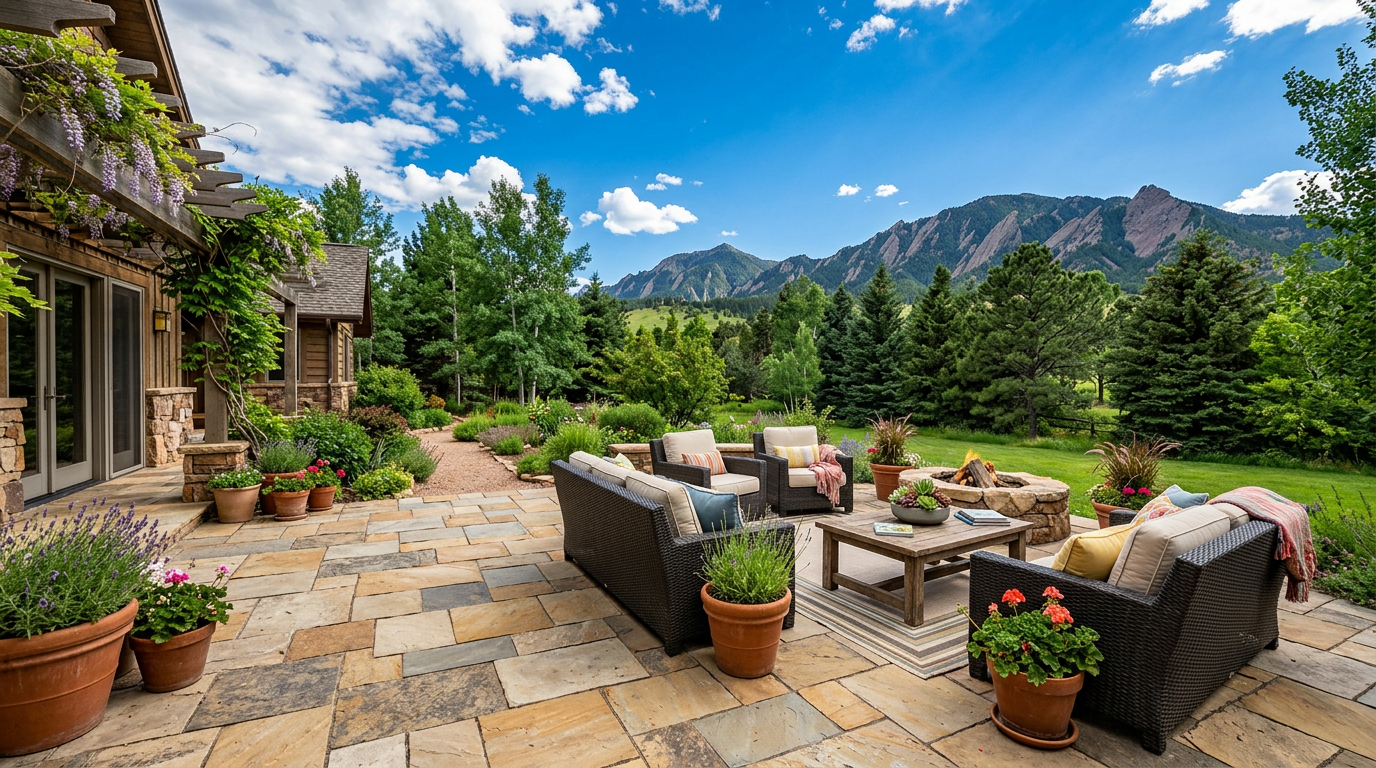
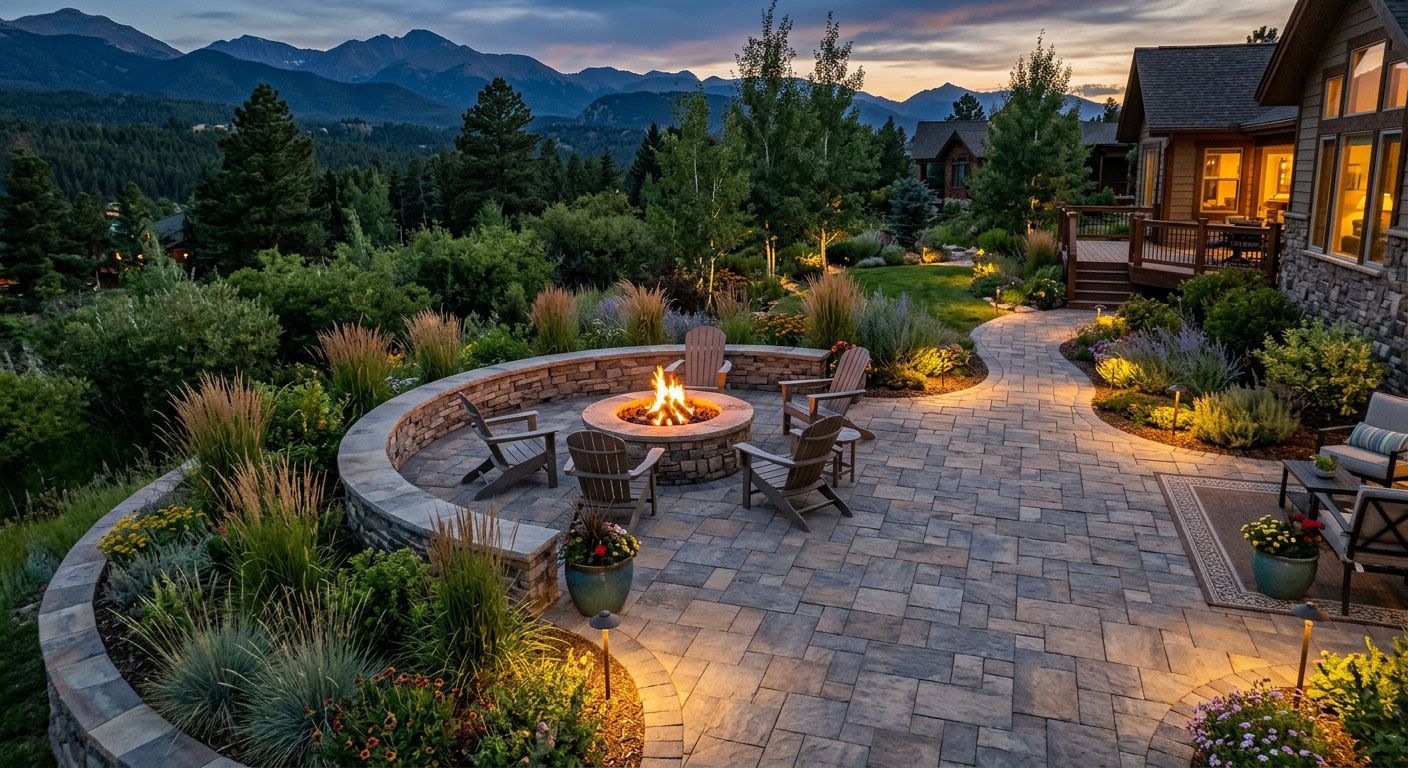
Once you've chosen the right surface, it's time to think about what will make your outdoor living space truly functional and inviting. A patio is just the foundation—the features you add on top are what transform it into a place you'll use every day. Fire pits and fire tables are hugely popular in Colorado, extending the outdoor season into cooler months and creating a natural gathering spot. Seating walls made from matching pavers or natural stone add built-in seating and define the space without blocking views.
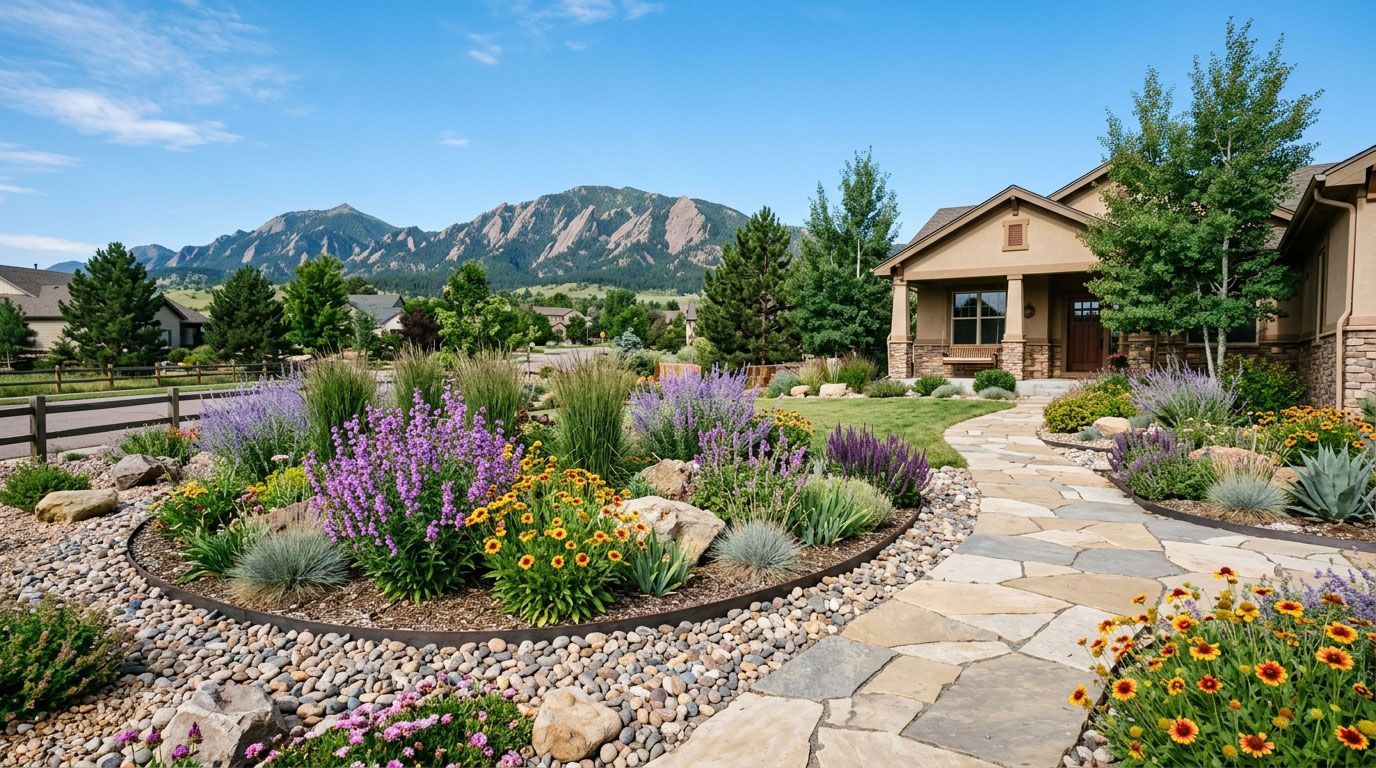
Walkways that connect your patio to other areas of the yard—like a garden, shed, or side gate—improve flow and accessibility. Outdoor lighting, including path lights, step lights, and accent lighting, makes your patio usable after dark and adds safety and ambiance. Garden beds with native plants, ornamental grasses, and perennials soften the hardscape and tie the patio into the surrounding landscape. And if you love to entertain, consider adding an outdoor dining area with a pergola or shade structure, a built-in grill station, or even an outdoor kitchen. These features don't have to be added all at once—many homeowners start with a paver patio and expand over time as budget allows.
How a Well-Designed Patio Improves Your Home's Value
A thoughtfully designed outdoor living space isn't just about enjoying your home today—it's also a smart investment in your property's future. Real estate professionals consistently report that well-maintained outdoor spaces increase curb appeal and make homes more attractive to buyers. In competitive markets like Boulder and Longmont, a beautiful paver patio with quality landscaping can set your home apart and even speed up the selling process.
Beyond resale value, a great patio improves your daily quality of life. It gives you a dedicated space to relax, entertain, and enjoy Colorado's incredible weather. It reduces yard maintenance if it replaces a high-maintenance lawn area. And it creates a sense of completion and intention in your landscape—your backyard feels finished, purposeful, and inviting. When you work with a local landscape designer who understands both aesthetics and functionality, you get a space that works beautifully for years to come, whether you're planning to stay in your home for decades or preparing to sell in the near future.
Common Mistakes Homeowners Make When Planning a Patio
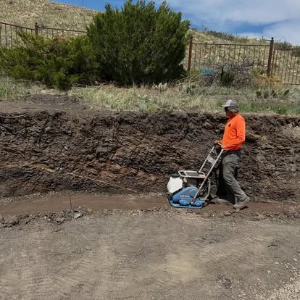
Even with the best intentions, it's easy to make mistakes that lead to disappointment, extra costs, or surfaces that don't hold up. One of the most common errors is skipping proper base preparation. A paver or concrete patio is only as good as the foundation beneath it. Cutting corners on excavation, compaction, or base materials leads to settling, shifting, and premature failure. Another mistake is ignoring drainage. If water doesn't have a clear path away from your patio, you'll end up with pooling, erosion, or water damage to your home's foundation.
Homeowners also frequently underestimate the importance of professional installation. While DIY projects can be tempting, outdoor hardscaping requires specialized knowledge of grading, materials, and local soil conditions. Poor installation voids warranties and often costs more to fix than it would have cost to hire a professional in the first place. Finally, many people choose materials based solely on upfront cost without considering long-term maintenance and durability. A cheaper surface that needs replacement in five years isn't a bargain compared to a higher-quality option that lasts 25 years with minimal upkeep. Taking the time to plan carefully and work with experienced professionals pays off in the long run.
Why Working with a Local Landscape Designer Matters
When it comes to outdoor living spaces, local expertise makes all the difference. A landscape designer based in Boulder, Longmont, or Northern Colorado understands the specific challenges of our climate, soil types, and weather patterns. We know which materials perform best, how to grade for proper drainage, and how to design spaces that complement Colorado's natural beauty. We also understand local building codes, HOA requirements, and permitting processes, which can save you time and headaches.
At AGT Landscape & Design, we take a custom approach to every project. We start with a free consultation to understand your vision, assess your property, and discuss your budget. Then we create a design that balances aesthetics, functionality, and long-term durability. We handle everything from grading and base preparation to paver installation, planting, lighting, and irrigation. And because we're a local company, we're here for you after the project is complete—whether you need seasonal maintenance, adjustments, or future additions to your outdoor space. Our goal is to create backyards that our clients love and that stand the test of time in Colorado's demanding climate.
Frequently Asked Questions
How long does a paver patio last in Colorado?
With proper installation and minimal maintenance, a paver patio can last 25 years or more. The flexible design allows pavers to handle freeze-thaw cycles better than solid concrete surfaces.
Do pavers get hot in the sun?
Pavers stay cooler than concrete or composite decking, especially lighter-colored options. They're generally comfortable to walk on barefoot, even on sunny Colorado afternoons.
Can I install a patio myself?
While it's possible, professional installation ensures proper base preparation, grading, and drainage—critical factors for long-term performance. DIY mistakes often lead to costly repairs down the road.
What's the best time of year to install a patio in Colorado?
Spring through fall are ideal, though experienced contractors can work in most conditions. Starting your project in spring or early summer gives you the most time to enjoy your new outdoor space.
How much does a paver patio cost compared to concrete?
Pavers typically cost more upfront than poured concrete, but they last longer, require less maintenance, and are easier to repair. Over the life of the surface, pavers often provide better value.
Ready to Create Your Ideal Colorado Backyard?
Whether you're leaning toward a paver patio, considering a deck, or still weighing your options, our team at AGT Landscape & Design is here to help you make the best choice for your home, lifestyle, and budget. We'll walk your property, discuss your vision, and design an outdoor living space that works beautifully for years to come. Call 720-568-0721 or visit us online to schedule your free consultation today.