

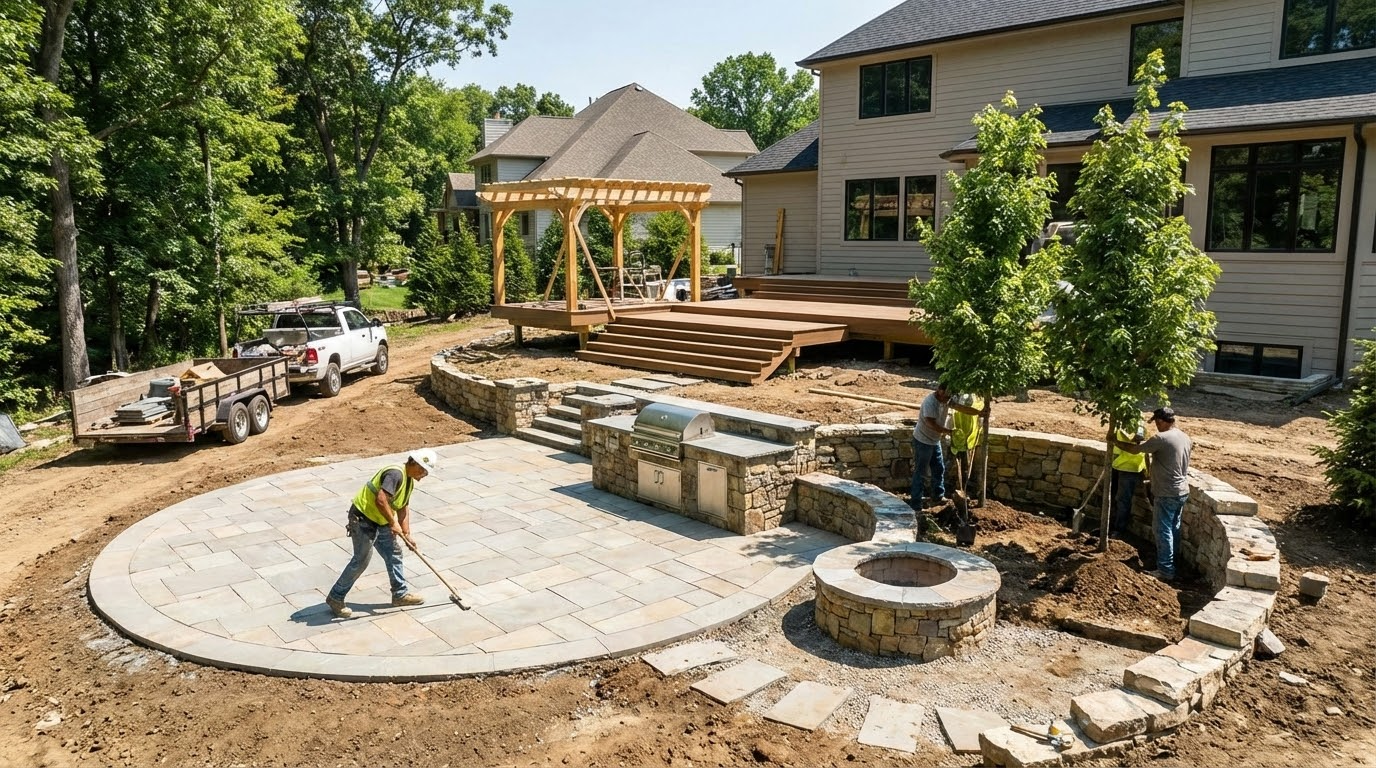
Over the past few years, outdoor living spaces have gone from nice-to-have extras to essential parts of how we use our homes. Buyers are paying more attention to backyards, and homeowners are investing in improvements that make these spaces more functional and enjoyable. The good news is that many backyard upgrades don't just improve your day-to-day experience—they can also add measurable value when it comes time to sell.
The key is choosing improvements that balance personal enjoyment with broad appeal. Not every upgrade will deliver the same return, and some can actually work against you if they're not done thoughtfully. In this article, we'll walk through the backyard upgrades that tend to add the most value, explain what makes them effective, and help you avoid common mistakes that can waste money or turn off future buyers.
1. Patios and Defined Seating Areas
A well-designed patio creates a clear purpose for your backyard. Instead of just grass or dirt, you're giving people a place to sit, eat, and gather. This makes the space feel more like an extension of the home rather than just yard space.
Patios work because they're immediately usable. Buyers can picture themselves hosting friends or enjoying morning coffee without needing to imagine what could be there. The materials you choose matter—natural stone, pavers, and stamped concrete all hold up well in Colorado's climate and look good for years with minimal maintenance.
Size is important too. A patio doesn't need to be massive, but it should be large enough to fit outdoor furniture comfortably. A small bistro set area is fine for some homes, but if you have the space, a patio that can accommodate a dining table and a few chairs tends to appeal to more buyers.
Location matters as much as size. Think about sun exposure, views, and how the patio connects to the house. A patio that flows naturally from a back door and catches evening shade will get more use than one tucked in a corner or baking in full sun all afternoon.
2. Outdoor Lighting
Good outdoor lighting transforms how a backyard looks and functions after dark. It makes the space usable in the evening, adds safety along pathways and steps, and highlights landscaping features that might otherwise disappear at night.
There are a few types of lighting that work well together. Path lights guide people safely from one area to another. Uplights can accent trees or architectural features. Deck and patio lights create ambiance for seating areas. The goal is to layer these types so the space feels intentional and well-thought-out.
Low-voltage LED systems are the standard now. They're energy-efficient, long-lasting, and easier to install than older systems. Many homeowners appreciate that they can control lighting from their phones or set timers so the backyard looks welcoming without having to remember to flip switches.
Lighting is one of those upgrades that doesn't cost a fortune but makes a noticeable difference. It signals that the property has been cared for and that outdoor spaces were designed to be used, not just looked at.
3. Thoughtfully Designed Plant Beds
Plant beds add color, texture, and structure to a backyard. When done well, they make the space feel finished and intentional. When done poorly, they look like an afterthought or a maintenance burden.
The best plant beds use a mix of perennials, shrubs, and groundcovers that work well in Colorado's climate. Native and drought-tolerant plants are especially appealing because they require less water and upkeep. Buyers appreciate landscapes that won't demand constant attention or high water bills.
Layout matters as much as plant selection. Beds should have clear edges—whether that's metal, stone, or a clean cut line—so they look tidy and intentional. Mulch helps with moisture retention and weed control, and it gives beds a polished look.
Avoid overplanting. It's tempting to fill every inch of a bed, but plants need room to grow. Overcrowded beds end up looking messy within a year or two, and they require more pruning and maintenance than most homeowners want to deal with.
4. Low-Maintenance Landscaping
One of the biggest concerns buyers have about properties with nice landscaping is whether they'll be able to keep it up. That's why low-maintenance landscaping has become such a strong selling point.
This doesn't mean no landscaping—it means smart landscaping. Xeriscaping, for example, uses plants that thrive with minimal water and don't need constant pruning or fertilizing. Groundcovers can replace sections of lawn that are hard to mow or don't get much use. Mulch and rock can reduce the amount of planting area that needs attention.
Reducing lawn area is another effective strategy, especially in Colorado where water is a consideration. Replacing high-maintenance turf with native grasses, gravel pathways, or larger patio areas can cut down on mowing and watering without making the yard feel bare.
The goal is to create a landscape that looks good with minimal effort. Buyers want to know they can enjoy the space without spending every weekend working on it.
5. Irrigation Systems
An irrigation system isn't the most exciting upgrade, but it's one of the most practical. It takes the guesswork out of watering, helps plants and lawns stay healthy, and saves time.
Drip irrigation is especially effective for plant beds because it delivers water directly to the roots, reducing waste and keeping foliage dry. Spray systems work well for lawns, and smart controllers can adjust watering schedules based on weather conditions, which saves water and money.
Buyers notice irrigation systems because they signal that the landscaping has been maintained properly. A system that's already in place means they won't have to drag hoses around or worry about plants drying out during hot stretches.
If you're installing irrigation, make sure it's done correctly. Poor placement, leaks, or zones that don't cover evenly can create more problems than they solve. A professional installation ensures everything works as it should and that the system can be easily maintained or adjusted.
6. Pathways and Walkways
Pathways do more than just get you from point A to point B—they create flow and structure in a backyard. A well-placed path can guide people through the space, connect different areas, and make the yard feel larger and more organized.
Materials matter. Flagstone, pavers, and decomposed granite all work well in Colorado and hold up through freeze-thaw cycles. The path should be wide enough to walk comfortably—at least three feet for a main pathway—and it should have a clear purpose, whether that's leading to a patio, garden, or side yard.
Pathways also improve safety. They provide stable footing and reduce wear on lawns. Edging the path with plants or low lighting makes it feel intentional and adds visual interest.
Avoid making paths too winding or complicated. A path should make sense—it should feel like the natural way to move through the space, not a decorative afterthought that no one actually uses.
7. Retaining Walls
If your property has any slope or uneven terrain, a retaining wall can solve functional problems while adding structure and visual interest. Walls create level areas for patios, plant beds, or lawns, and they prevent erosion and water runoff issues.
Retaining walls also add dimension to a flat yard. Even a low wall can define spaces, create seating edges, or serve as a backdrop for plantings. The materials you choose should complement the home—natural stone tends to blend well with most styles, while concrete block or timber can work depending on the setting.
Retaining walls need to be built correctly. Poor drainage or inadequate footings can lead to shifting, cracking, or failure, which is expensive to fix. If you're adding a wall, especially one over a few feet tall, it's worth hiring someone who knows how to do it right.
8. Outdoor Kitchens and Fire Features
Outdoor kitchens and fire pits are popular upgrades, but they're also the ones where homeowners are most likely to overdo it. Done right, they add real value. Done wrong, they can feel like expensive obstacles that limit how the space can be used.
A simple built-in grill station or a fire pit with seating can extend the usability of a backyard and create a focal point for gatherings. These features appeal to buyers who entertain or who want a space that feels like a destination.
The key is keeping it proportional. A massive outdoor kitchen with every amenity might appeal to you, but it can overwhelm a small yard or feel like overkill to buyers who don't plan to use it. A fire pit should fit the scale of the patio and leave room for furniture and movement.
Placement matters too. Fire features should be away from overhangs, fences, and plants. Outdoor kitchens need to be close enough to the house to be convenient but not so close that smoke becomes an issue. Think about how the feature fits into the overall flow of the space.
9. Privacy Elements
Privacy is one of those things people don't think about until they don't have it. Fences, hedges, and screens can make a backyard feel more secluded and comfortable, which makes the space more usable and appealing.
Fences are the most straightforward option. Wood, vinyl, and composite materials all work, though wood tends to fit Colorado properties best. The height and style should match the neighborhood—a six-foot privacy fence works in most settings, but an eight-foot fence can feel excessive in some areas.
Hedges and plantings offer a softer alternative. Evergreens provide year-round screening, and they can block views without feeling as closed-in as a solid fence. The trade-off is that hedges take time to grow and require maintenance.
Screens and pergolas with climbing plants can create privacy in specific areas without enclosing the entire yard. This works well for patios or seating areas where you want a sense of separation without blocking light or views everywhere.
Common Mistakes to Avoid
Even well-intentioned upgrades can backfire if they're not planned carefully. One of the biggest mistakes is overbuilding. A backyard that's packed with features—multiple patios, elaborate water features, extensive hardscaping—can feel busy and leave little room for flexibility. Buyers want outdoor space they can use in their own way, not a finished product that's too specific to someone else's taste.
Poor layout is another common issue. Upgrades should work together and create a logical flow. A patio that's disconnected from the house, a fire pit with no seating area, or paths that don't lead anywhere all feel like missed opportunities.
Choosing materials that don't fit the home or the climate is a mistake too. Ultra-modern concrete features might look out of place on a traditional home, and materials that don't hold up to Colorado's freeze-thaw cycles will need replacing sooner than expected.
Finally, neglecting maintenance is a problem. Even low-maintenance landscaping needs some attention. If you're making upgrades to add value, make sure they're kept up. Overgrown beds, broken lighting, or cracked pavers send the message that the property hasn't been cared for.
Planning Upgrades That Make Sense
The best backyard upgrades are the ones that improve how you use the space now while also making the property more appealing down the road. That means thinking about what works for your lifestyle and your home, not just what's trendy or what you saw in a magazine.
Start with the basics—good drainage, healthy plants, and a clear sense of purpose for different areas. From there, add features that make the space more functional and enjoyable. A patio, some lighting, and thoughtful plantings will take you further than one expensive showpiece that doesn't integrate well with the rest of the yard.
If you're planning upgrades with resale in mind, focus on improvements that have broad appeal and that suit the size and style of your home. A modest backyard doesn't need a resort-style setup, and a large property shouldn't feel empty or unfinished.
Working with a professional can help you avoid costly mistakes and make sure upgrades are done right the first time. A good landscape designer or contractor will understand your goals, know what works in your area, and help you prioritize improvements that deliver the best return.
At AGT Landscape & Design, we work with homeowners throughout Boulder, Larimer, and Weld County to create outdoor spaces that are both beautiful and built to last. Whether you're planning a single upgrade or a complete backyard transformation, we can help you design and build a space that adds value to your home and fits the way you live. Get in touch to start planning your backyard upgrades.


